

Wine, Art, and the City of Light: Unforgettable Stops in France
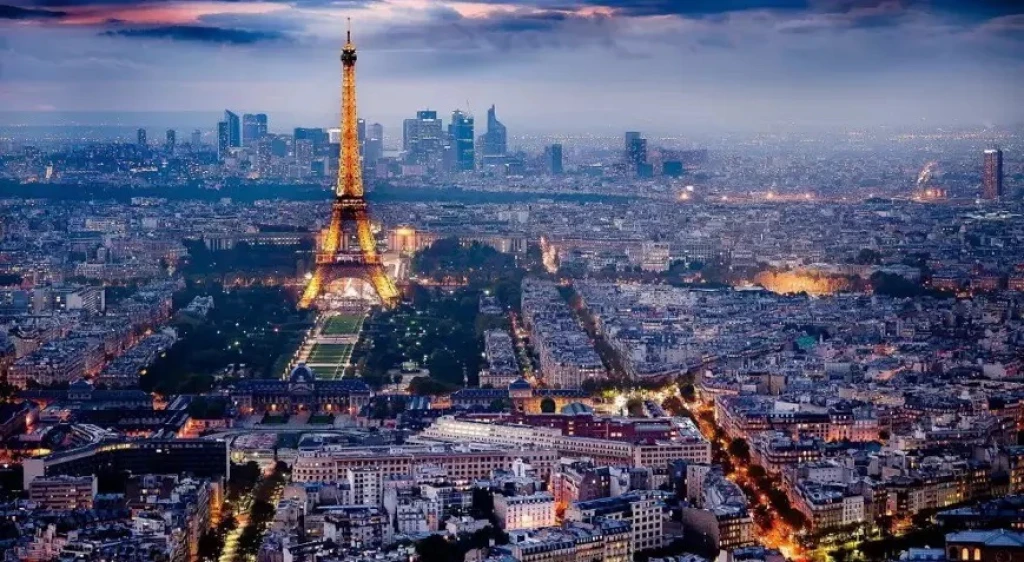
France is far more than a country that appeals to the senses; it is a cultural mosaic where history lives in every step, flavor in every meal, and art in every landscape.
With its unique vineyards, cities crowned with World Heritage status and streets steeped in art, France turns the idea of travel into a life experience. The lights of Paris, the cellars of Bordeaux, the street food of Lyon or the lavender-scented fields of Provence… This country is a destination not only to be seen, but to be felt.
Introduction to France: A Journey Filled with Culture, Flavor and Aesthetics
France is not just a country; it is a way of life where history, art, gastronomy and elegance intertwine. From Paris, where you may encounter a work of art on every street, to the Bordeaux vineyards that smell like poetry at harvest time; from Provence, whose lavender fields soothe the soul, to the fairytale villages at the foot of the Alps, these lands offer a unique experience that appeals to your senses.
A trip to France is about getting to know not only its places, but also its culture and philosophy of life. In this guide, we offer a holistic view of the richness France has to offer and invite you on an unforgettable journey woven with art, flavor and aesthetics.
France's Place in Europe and the Importance of Travel
Located in the west of the European continent, France is considered the heart of the continent not only because of its geographical position but also because of its cultural and historical depth.
- With its accumulation stretching from the Roman period to the Renaissance, from the Age of Enlightenment to contemporary modern art and fashion, France offers every visitor a multi-layered experience.
- Being Europe's most visited country stems not only from symbols like the Eiffel Tower or the Louvre Museum, but from being a destination where life is infused with aesthetics in every village, town, vineyard and stone-paved city.
A Country Where Art, Wine and Gastronomy Meet
France is one of the rare countries where food and drink culture is accepted as an art form.
- Wine regions such as Bordeaux, Champagne and Burgundy hold a privileged place in world cuisine thanks to centuries-old viticulture and cellar traditions.
- At the same time, cities like Paris, Lyon and Strasbourg are vibrant centers of cultural production, from classical music to contemporary art galleries, from theaters to street art.
France is a country that appeals to the senses in every way: taste, smell, sight, sound and touch are redefined here.
Best Times to Travel to France
France has a landscape that offers all four seasons in full, but the ideal time may vary depending on the purpose and route of your trip:
- Spring (March – May): The best time for strolling Paris streets, lavender gardens and vineyards.
- Summer (June – August): Ideal for exploring Provence, the Riviera coast, open-air festivals and rural France.
- Autumn (September – October): The wine harvest season. Vintage tours in Burgundy and Bordeaux take place alongside gastronomic festivals.
- Winter (November – February): Alsace's Christmas markets, ski holidays in the Alps and museum tours in Paris offer a quiet but impressive atmosphere.
Paris: City of Lights and the Heart of Art
The Eiffel Tower and City Views
The most iconic structure of Paris, the Eiffel Tower, is not only an engineering marvel but also a representation of the city's romantic spirit.
- Built in 1889, the structure offers panoramic city views by day, while at night its light show, starting every hour on the hour, is truly enchanting.
- By ascending the tower by elevator or stairs, you can see Paris's historic fabric in 360 degrees and take unforgettable photos along the Seine.
The Louvre Museum and a Journey Through Art History
One of the largest and most prestigious museums in the world, the Louvre is a collection of masterpieces for art lovers.
- It houses countless works, from the Mona Lisa to the Venus de Milo, from Delacroix to Michelangelo.
- Touring the museum thoroughly can take days, so planning in advance and choosing sections according to your interests is important.
- The Louvre's glass pyramid is not just an entrance but an architectural signature where contemporary and classical aesthetics meet.
Montmartre and the Traces of Bohemian Culture
To feel Paris's past, intertwined with art, Montmartre Hill is an indispensable stop.
- This neighborhood, where names like Picasso, Van Gogh and Modigliani lived, still preserves its bohemian spirit with street painters, narrow stone lanes and the Sacré-Cœur Basilica.
- You can chat with artists over coffee in boutique cafés and, in the evening, watch a show at the Moulin Rouge, the heart of cabaret culture.
Evening Boat Tours on the Seine River
If you want to discover Paris from the water, boat tours on the Seine (Bateaux-Mouches) are a unique option.
- Landmarks such as the Eiffel Tower, Notre-Dame Cathedral and the Musée d'Orsay accompany you in lights along this route.
- Dinner cruises, especially in the evening, are ideal for those who want to experience a romantic and elegant Parisian evening.
Wine Tasting and French Cuisine in Paris
Paris, France's gourmet capital, is one of the most distinguished addresses where you can experience the perfect harmony of wine and cuisine.
- Tasting events held in boutique wine houses are perfect for discovering regional wines: Burgundy, Bordeaux, Alsace…
- Classics of French cuisine such as coq au vin, foie gras, ratatouille and crème brûlée await you everywhere, from Michelin-starred restaurants to neighborhood bistros.
Bordeaux: Wine Tasting Routes in the Capital of Wine
The Bordeaux Wine Route (Route des Vins)
Bordeaux is one of the most prestigious wine regions not only in France but in the world. The "Route des Vins de Bordeaux" offers an exploration route connecting the vineyards, châteaux and villages of the region.
- This route is far more than a classic holiday itinerary; it is a journey of culture, production and flavor.
- Visitors here not only taste wine but also experience the special bond formed with the soil, viticulture and tradition.
Château Visits Among the Vineyards
As you venture into the Bordeaux countryside, you are greeted by centuries-old châteaux and vast vineyards.
- Each of these châteaux, with its own production style, is enchanting both for its architecture and its wine cellars.
- Visits feature vineyard tours, introductions to the winemaking process and private tasting sessions.
Especially during the autumn harvest, these vineyards become a living encyclopedia.
The Wine Museum (La Cité du Vin)
With its modern architecture, La Cité du Vin is an interactive museum of world wine culture, not just of Bordeaux.
- Here, themes range from historical production techniques to the wine traditions of different countries.
- At the end of the visit, tastings of wines selected from different regions take place in an area with panoramic city views.
- The museum is an unmissable stop for those who want to give wine tourism an intellectual and cultural dimension.
Margaux, Saint-Émilion and the Médoc Region
These three iconic regions within Bordeaux are areas where some of the world's most refined red wines are produced.
- Margaux is famous for its elegant and balanced wines; Château Margaux located here is one of the symbols of world winemaking.
- Saint-Émilion is unique with its historic village listed as a UNESCO World Heritage Site, underground cellars and boutique producers.
- Médoc is known for its powerful Cabernet Sauvignon-based wines and is home to "grand cru" classified labels that can mature in the cellar for many years.
Pairing Wine with Local Flavors
Bordeaux is a region intertwined not only with wine but also with gastronomy.
- Regional specialties such as entrecôte à la bordelaise (steak in wine sauce), duck confit, shellfish and local cheeses pair perfectly with wine.
- For a sweet finish, the rum-flavored, vanilla-scented canelé, with its caramelized outer layer, must be tried.
In Bordeaux, every meal turns into a tasting ceremony.
Lyon: The City Where Gastronomy and History Meet
Lyon's UNESCO-Listed Historic Center
Located in southeastern France at the confluence of the Rhône and Saône rivers, Lyon is not just a city but a living space intertwined with history.
- Known as Vieux Lyon (Old Lyon), the historic center, with its Renaissance-era buildings, narrow stone streets and elegant facades, was inscribed on the UNESCO World Heritage list in 1998.
- This rich heritage, stretching from Roman ruins to medieval churches, offers visitors a journey through time step by step.
Traditional Bouchon Restaurants
Lyon is the heart of French cuisine. The reputation it has earned is undoubtedly due to its traditional restaurants called "bouchons".
- Bouchons offer a gastronomic culture specific to Lyon with their warm atmosphere, wooden décor and homemade dishes.
- The menu usually includes local flavors such as andouillette (spiced sausage), quenelle (fish dumplings), salades lyonnaises (salad with eggs and bacon), and for dessert tarte à la praline.
- Meals are complemented by local wines, and service is delivered with the warmth and tradition of Lyonnais hospitality.
Traboules: Historical Discovery Through Secret Passageways
One of Lyon's distinctive features is its secret passageways called traboules, which seemed known only to locals but are now open to visitors too.
- These passages, connecting courtyards and streets of buildings, provided shortcuts that facilitated the movement of silk merchants in the Middle Ages.
- Today, passing through these passageways in the Vieux Lyon and Croix-Rousse districts allows you to explore the quiet historical fabric behind the city.
- Walks through the traboules reflect the invisible yet palpable spirit of Lyon.
Lyon Wines and Regional Flavors
Lyon deserves to be the capital of gastronomy not only for its city-center flavors but also for its fertile vineyards nearby.
- The wine regions of Beaujolais and Côtes du Rhône are only a short distance from Lyon, and day trips to these areas are ideal for wine lovers.
- The light, fruity red Beaujolais Nouveau has become famous especially thanks to its first-harvest celebrations held in November.
- Restaurants in the city serve these wines in a way that ensures the best match with Lyonnais cuisine, so each bite and sip gains even more meaning.
Provence: Lavender Scents and Artistic Routes
Lavender Fields and Photo Spots
Provence is etched in memory with its lavender fields that turn purple in summer. The lavender season, lasting from late June to early August, offers visitors a feast for the eyes and senses.
- The Valensole Plateau, with its endless lavender rows and rural landscape dotted with stone houses, is an indispensable spot for photography enthusiasts.
- The softness of light in the morning and golden shadows at sunset transform the lavender fields into a painting.
- The fields are not only a visual experience but also a discovery area that touches the senses through local products such as lavender soap, oil and jam.
Aix-en-Provence and the Traces of Cézanne
Aix-en-Provence is considered the cultural heart of Provence and breathes soul into art as the birthplace of the famous painter Paul Cézanne.
- The artist's studio, the Atelier Cézanne, can be visited today; his brushes, palettes and sketches have been preserved as they were.
- While walking through the city, the small golden "C" letters on the paving stones lead you to Cézanne's life and the places that inspired him.
- Among the city's elegant fountains, Baroque buildings and morning markets, art and Provençal life intertwine.
Avignon: The Papal Palace and Historical Ruins
Once the center of the Catholic world in the Middle Ages, Avignon is an open-air museum in its own right for history enthusiasts.
- The Palais des Papes (Papal Palace), one of the largest examples of Gothic architecture in Europe, stands out with its impressive wall paintings and tower views.
- The Pont Saint-Bénézet (Avignon Bridge), listed as a UNESCO World Heritage Site, is a poetic symbol of the past with its half-standing structure over the Rhône River.
- The Avignon Theatre Festival, held in summer, revives the city with art.
Provence Wines and Olive Tasting Tours
Provence is a gourmet destination not only for lavender and art but also for its rosé wines and olive products.
- The region is one of the places producing France's finest rosé wines. The vineyards of Bandol, Côtes de Provence and Les Baux-de-Provence can be explored through tasting tours.
- In addition, local olive oil producers offer boutique tours covering olive harvesting, pressing processes and tastings.
- Local markets and family businesses present Provence's simple yet refined culinary culture directly to visitors.
Alsace: Wine Routes and Fairytale Towns
Colmar: Medieval Beauty with Colorful Houses
At the heart of the Alsace region, Colmar is a medieval city that enchants with its colorful half-timbered houses that look like they have stepped out of storybooks, its flower-decorated streets and its canals.
- Known as "Little Venice" (La Petite Venise), the district offers unique photo opportunities and canoe trips.
- The city's preserved structures contain some of the most elegant examples of Renaissance and Gothic architecture.
- Colmar is also the hometown of painter Martin Schongauer and Bartholdi, the sculptor of the Statue of Liberty, and carries an atmosphere intertwined with art.
Strasbourg and the European Spirit
Beyond being the capital of Alsace, Strasbourg is one of the continent's political and cultural centers, hosting the European Parliament and the Council of Europe.
- The Grande Île in the city is listed as a UNESCO World Heritage Site and offers a unique architectural unity: the Strasbourg Cathedral is considered the pinnacle of Gothic elegance.
- The city is also one of the rare places where French and German cultures intertwine; both its Christmas markets and gastronomic traditions reflect this blend.
- Especially at the end of the year, Strasbourg is called the "Capital of Christmas," and lights, music and the scent of mulled wine envelop the city.
Alsace Wine Routes: Riesling and Gewürztraminer
Alsace is regarded as France's white wine paradise. The region is known for the famous "Alsace Wine Route (Route des Vins d'Alsace)", stretching 170 kilometers in a north-south direction.
- Riesling, Gewürztraminer and Pinot Gris, aromatic, mineral and balanced white wines, are among the region's standout flavors.
- Traveling between vineyards by bicycle or car through towns such as Riquewihr, Eguisheim and Kaysersberg offers an unforgettable experience in both nature and taste.
- Many family businesses and boutique wineries introduce visitors to the details of local production through tasting tours.
Tables Where French and German Cultures Meet
Alsatian cuisine has a unique culinary culture that blends France's refined touch with the hearty style of Germany.
- Choucroute garnie (sauerkraut and meat platter), flammekueche (Alsatian pizza), bäckeoffe (meat casserole) and regional cheeses are the crown jewels of the table.
- Kouglof and pain d'épices (spiced cake) are desserts frequently found in local pastry shops.
- Local wines served with meals complete the aromatic richness of the region on the palate.
Nice and the French Riviera: Art and Mediterranean Radiance
Promenade des Anglais and the Mediterranean Coast
Known as the jewel of the French Riviera, Nice is a flawless blend of elegance, naturalness and the Mediterranean way of life.
- The city's symbol, the Promenade des Anglais, a 7-kilometer seaside road stretching alongside palm trees and turquoise sea views, is ideal for both walks and bike tours.
- Runners in the early morning, people sipping coffee by the sea at noon, and street musicians in the late afternoon make the Nice seafront a stage of life that changes throughout the day.
The Matisse Museum and Art Stops
Nice is not only a holiday destination but also a city intertwined with art.
- The famous painter Henri Matisse spent much of his life in Nice, and the Mediterranean light inspired his works.
- The Matisse Museum holds a rich collection that includes not only the artist's paintings but also sculptures, collages and sketches.
- The Marc Chagall Museum, with its Byzantine-influenced stained glass and religiously themed works, offers an impressive art experience.
- Art galleries and studios throughout the city reveal the depth of Nice's modern art scene.
Eze, Grasse and Perfume Workshops
There are many enchanting towns to explore around Nice. One of the most impressive is the village of Eze.
- With its narrow medieval stone streets, botanical garden at the summit and viewpoints, Eze offers a fairytale atmosphere.
- Another stop, Grasse, is the capital of perfume. In its workshops, you can experience perfume-making techniques, essence selection and personal scent design.
- Historic perfume houses such as Fragonard, Molinard and Galimard take visitors on a journey through both history and the senses.
Sunset with Côtes de Provence Wines
The French Riviera is known not only for its sea and art but also for its elegant and refreshing rosé wines.
- Côtes de Provence, the birthplace of the pink wines recognized worldwide and essential on summer evenings.
- Wineries around Nice offer vineyard tours and tasting sessions, providing the chance to enjoy this flavor against a Mediterranean backdrop.
- Boutique producers around Saint-Tropez in particular create a romantic atmosphere with special sunset events for small groups.
Practical Information for Traveling to France
Transportation, Intercity Travel and Train Journeys
France's transport network is highly developed, and one of the most comfortable and fastest options for intercity travel is the TGV (high-speed train) system.
- You can reach major cities such as Bordeaux, Lyon, Strasbourg or Nice from Paris within a few hours.
- Tickets can be reserved through SNCF, and significant discounts can be obtained by booking early.
- For urban transport, metro, tram and bus lines are very efficient, especially in large cities like Paris, Lyon and Strasbourg.
- Bicycle rental systems (Vélib', Vélo'v) also stand out as an eco-friendly option.
Visas, Accommodation and Travel Cards
Turkish citizens traveling to France require a Schengen visa. Travel duration, accommodation documents and transport plans must be submitted during the application.
- Accommodation options vary from city to city; in cities like Paris, boutique hotels outside the city center offer affordable alternatives, while in regions like Alsace and Provence, stone houses, vineyard houses and château-style guesthouses provide authentic experiences.
- For city sightseeing, tourist cards such as the Paris Museum Pass and City Cards offer advantages in both transport and museum entry.
Local Festivals, Tasting Events and Music Days
Festivals held throughout the year across France make your trip meaningful and intertwined with local culture:
- Notable events include the Avignon Theatre Festival, the Strasbourg Christmas Market, the Nice Carnival, the Bordeaux Wine Festival and the Colmar Music Days.
- Seasonal experiences such as lavender harvest in Provence, the grape harvest in Alsace and champagne tasting in Champagne add authenticity to your itinerary.
- Entry may be free or charge a symbolic fee; checking the festival calendar when planning your trip makes a big difference.
Conclusion: A Fairytale in Search of Art, Wine and Light in France
A Different Flavor in Every City, a Separate Story at Every Stop
A trip to France is not just a journey between places; it is a holistic exploration of the senses, history and culture.
The elegance of art in Paris, the refinement of wine in Bordeaux, the warmth of gastronomy in Lyon, the delicacy of architecture in Alsace and the freshness of the Mediterranean in Nice greet you with a new story at every stop.
An Unforgettable Journey in Hindsight
Carried out under the guidance of Drabos Travel, this route is not just a trip but a life experience that will remain in memory.
Every step you take in pursuit of light, flavor and art turns into a French fairytale woven with culture, joy and elegance.