

Everything You Need to Know About the Martyrdom Tour
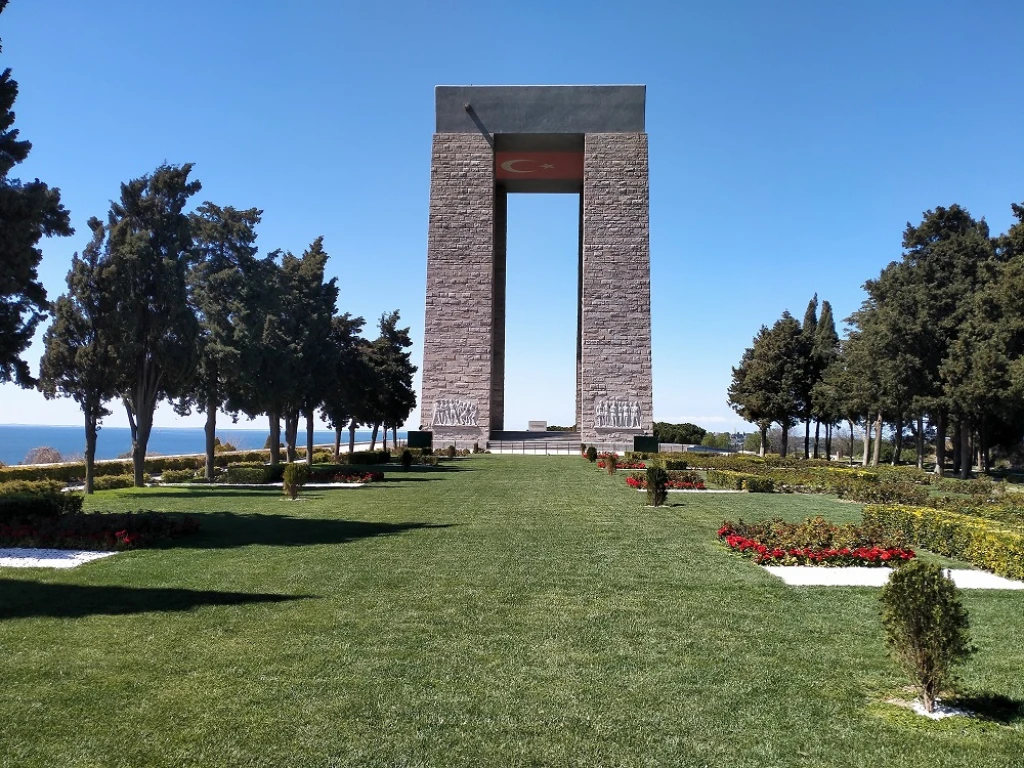
Çanakkale is not only a city; it is the stage of one of the greatest epics ever written in history. In 1915, the lands defended at the cost of thousands of Mehmetçiks are now sacred grounds that speak through their silence and make visitors feel the past to the bone. The most effective way to understand these lands is to join a martyrs' tour.
The Martyrs' Tour is not merely a travel program; it is a journey of gratitude.
While following the traces of the soldiers who fought in the Battle of Çanakkale, you also confront history and witness the national struggle for survival.
At every step, there is a soldier who fell to the ground, a commander, a hope.
In this article, we cover everything that those considering joining a martyrs' tour should know: what it includes, who it is suitable for, and its emotional and historical dimensions.
What Is a Martyrs' Tour?
Overview and Purpose of the Tour
A Martyrs' Tour is a cultural trip organized to keep alive the memory of the Turkish soldiers who lost their lives in the Battle of Çanakkale, to see the battlefields in person, and to build historical awareness.
These tours take place mainly within the Gallipoli Peninsula Historical Site, along a route that includes martyrs' cemeteries, monuments, battlefields and visitor centers.
It is not only a way to gain historical knowledge, but also an important awareness activity for deeply understanding the sacrifices made at that time and contributing to national memory.
Who Can Participate?
Martyrs' Tours appeal to people of all ages.
- It is an educational field trip for student groups, teachers and academics.
- It offers an emotional and instructive experience for families, individual travelers and history enthusiasts.
- Official and private institutions may also organize special tours for their staff.
No special preparation is required to join, but comfortable walking clothes, equipment suited to the weather and a mindset ready for emotional intensity are recommended.
Why Is It So Important?
The Battles of Çanakkale are one of the most critical turning points in Turkish history.
These lands are a symbol not only of battles, but of independence, unity and love of homeland.
Martyrs' Tours mean tracing the traces of this great struggle of the past, passing it on to future generations, and personally taking a stance toward history.
For this reason, joining the tour is not just a trip; it is an expression of awareness, respect and gratitude.
Where Are Martyrs' Tours Held?
The Most Visited Martyrs' Sites
In Turkey, the most comprehensive and meaningful martyrs' tours focus on the Çanakkale Battlefields.
The Battle of Çanakkale, both in its scope and its symbolic importance, has turned these lands into centers of commemoration and awareness.
For this reason, every year tens of thousands of people visit especially the following martyrs' sites to connect with history.
Çanakkale Martyrs' Memorial
Located on a hill overlooking Morto Bay, this memorial was built to keep alive the memory of more than 250,000 martyrs.
With its 41.7-meter-high four-pillar architecture, it symbolizes the spirit of independence of the Turkish nation.
- Directly beneath the memorial are the Çanakkale Battles Museum and information panels.
- The symbolic cemetery bearing the names of the martyrs offers visitors an opportunity to form a deep emotional bond.
- With its ceremony area and viewpoints, it is equipped for both commemoration and observation.
57th Regiment Martyrs' Cemetery
This is one of the areas that witnessed the fiercest clashes of the Battle of Çanakkale.
On the defensive line personally commanded by Mustafa Kemal, almost the entire 57th Regiment fell as martyrs.
- It is equipped with symbolic graves, monuments and information panels.
- It is the place where the words "I do not order you to attack, but to die!" were given.
- Every year, thousands of students and young people take part in marches and commemoration programs in honor of this regiment.
Conkbayırı and Anzac Cove
Conkbayırı is a strategically important hill where the bayonet charges that determined the fate of the battle took place.
- One of the moments when Mustafa Kemal changed the course of the battle took place here.
- Today the area includes the Atatürk Monument, trench traces and observation points.
Anzac Cove is where the Australian and New Zealand forces landed.
- The Anzac Day Ceremonies held every year on April 25 have become an international commemoration program.
- It is one of the symbolic points of the mutual respect felt for both sides of the war.
Other Meaningful Martyrs' Sites in Turkey
Although not as extensive as Çanakkale, meaningful martyrs' sites are found across Turkey. These areas carry the memories of struggles fought on different fronts of the War of Independence and World War I.
Sakarya and Dumlupınar Martyrs' Sites
Sakarya Battle Martyrs' Cemetery (Ankara/Polatlı)
- It is located on the front where the Battle of Sakarya took place in 1921.
- Mustafa Kemal's words "There is no defense of the line, there is only defense of the surface" went down in history in this region.
Dumlupınar Martyrs' Cemetery (Kütahya)
- It is the site of the Commander-in-Chief Battle, the last major battle of the War of Independence.
- It is equipped with the Victory Hill and the Martyrs' Monument.
Sarıkamış Martyrs' Cemetery
Sarıkamış is the eastern front where the Ottoman army suffered heavy losses during World War I.
- Tens of thousands of Mehmetçiks lost their lives under freezing weather and harsh conditions.
- The "Sarıkamış Martyrs' Commemoration March," held every winter, is an event with wide participation across Turkey.
How Is a Martyrs' Tour Planned?
A martyrs' tour is not only a physical trip but a spiritual journey. For this journey to be meaningful and productive, good advance planning is very important. Timing, transportation, guidance and determining the routes form the cornerstones of this planning.
When Are Tours Held? (Season and Calendar Suggestions)
- Spring (March-April-May) and autumn (September-October) are the most suitable periods for martyrs' tours due to favorable weather conditions.
- Especially March 18 Martyrs' Commemoration Day and April 25 Anzac Day are special days when both domestic and foreign visitors participate intensively.
- Visits can be made in summer months, but hot weather during midday hours can be challenging.
For those who want to avoid crowds, weekday mornings are ideal.
Day Trip and Overnight Tour Options
- Day trips usually start early in the morning from Çanakkale city center or neighboring provinces and are completed by sunset.
- Overnight tours are preferred especially by groups coming from big cities such as Istanbul, Ankara and İzmir, and usually last 2-3 days.
- Accommodation can be arranged in the city center or in areas close to the martyrs' sites such as Eceabat.
Overnight tours are ideal for those who want to explore the region in greater depth.
Individual Visit or Guided Tour?
- Guided tours provide advantages in terms of narration of historical events, detailed information and correct route following. They are especially recommended for first-time visitors.
- Individual visits offer a more flexible and personal experience. The route can be followed with the help of maps and information panels.
- For those arriving by their own vehicle, offline guide apps or booklets are useful.
For those seeking quiet and personal reflection, individual visits may offer a more emotionally intense experience.
Martyrs' Tour Routes and Stops
Martyrs' tours are not limited to visiting one or two monuments. Dozens of points, each carrying historical meaning, are visited in a specific logic and sequence to ensure complete coherence. Routes are usually arranged according to the chronology of historical events and geographical proximity.
Historical Site Sequence
In the route generally followed, the first stops are:
- Kilitbahir Batteries and Namazgâh
- Seyit Onbaşı Monument and Mecidiye Battery
- Çanakkale Martyrs' Memorial
- Seddülbahir Front
- 57th Regiment Martyrs' Cemetery
- Conkbayırı and the Atatürk Monument
- Anzac Cove and Lone Pine
This sequence creates a flow consistent with the progression of the war.
Museums and Visitor Centers
- Çanakkale Battles Visitor Center (Alçıtepe)
With interactive presentations, dioramas and documentary sections, it allows you to grasp the overall structure of the war. - Kabatepe Visitor Center
A detailed historical archive with military equipment, maps, newspaper clippings and narratives.
Especially for student and teacher groups, these centers make history lessons tangible.
Ceremony Areas and Monuments
- The Çanakkale Martyrs' Memorial is a ceremony area in its own right.
March 18 commemoration ceremonies are held here. - Anzac Cove and Conkbayırı host international commemoration programs on April 25.
- Turkish and Anzac monuments are symbols of peace and mutual respect.
Even outside ceremony days, silence prevails in these areas.
Silent Walking Routes
- The footpath from the 57th Regiment to Conkbayırı is a historic walking route.
- Silent walks are turned into commemoration ceremonies or individual awareness activities.
- Along the walk, trench remains, observation points and traces intertwined with nature give visitors a sense of following the traces of time.
It is a physically light but spiritually powerful walk.
Preparing for the Tour: Practical Information
Small but effective preparations before a martyrs' tour ensure that the tour proceeds productively and within a framework of respect. These preparations bring awareness on both physical and mental levels.
What to Bring
- Water bottle: Fountains at the site may be limited, so it is important not to go without water.
- Snacks: Small energizing foods are useful on long routes.
- Guide booklet or mobile guide app: Useful for following the routes and reinforcing information.
- Hat and sunscreen: You may stay long in open terrain.
- Spare mask, wet wipes, disinfectant: For personal hygiene.
Preparing a small backpack before the tour provides comfort throughout the day.
Clothing, Weather and Footwear Choices
- Seasonal, breathable and light-colored clothing should be preferred.
- Against sudden wind and possible rain, a thin raincoat or cardigan can be taken.
- Footwear choice is very important: comfortable, non-slip shoes suitable for walking should be preferred.
- Keep in mind that martyrs' sites may have uneven paths, dirt ground and slopes.
Since most of the day will be spent on your feet, comfort should be the priority.
Travel Time and Rest Points
- On a day trip, travel starts early in the morning and continues into the evening.
- Between the martyrs' sites there are short walks as well as stops reached by bus/vehicle.
- Kabatepe Forest Camp, the area around Alçıtepe Village and some visit areas are suitable for rest and restroom breaks.
- Museums and visitor centers have cafés, restrooms and information areas.
Reviewing your time plan before starting the tour allows you to use the day more effectively.
Things to Pay Attention to During a Martyrs' Tour
Martyrs' sites are not only places to visit, but also places of respect, commemoration and awareness. For this reason, both physical and spiritual rules should be observed during the visit.
Rules of Respect and Silence
- Martyrs' cemeteries are collective grave areas. Therefore, being quiet, not speaking loudly around the monuments and being mindful of behavior is essential.
- Conversations should not take place in areas where ceremonies are held, and respectful gestures should be accompanied.
- Actions such as shouting slogans, causing disorder, or playing music are absolutely inappropriate.
In these areas, silence is not only a rule but an expression of respect for the past.
Photography and Sensitivity in Sharing
- Photography is generally allowed, but in some areas professional shooting, tripod use or drone flights may be restricted.
- When posing near symbolic graves, martyrs' names and monumental structures, act with moderation.
- In social media posts, a language befitting commemoration should be used, and the spirituality of the site should be respected.
A respectful frame creates a lasting awareness.
Raising Awareness When Bringing Children
- For children, such tours are valuable not only for learning history but also for values education.
- Before starting the tour, they should be told in simple language where they are and why this site is important.
- Behaviors such as running, shouting, or damaging stones or flowers should be prevented, and children should be guided.
The first words children hear in these places are the first seeds of historical awareness.
The Martyrs' Tour Experience: From the Participants' Perspective
Everyone who joins a martyrs' tour leaves not only with historical knowledge but with an awareness that settles into their heart.
Every step, every name, every silence echoes in the participant's soul like a voice from the past. The impact of these tours is understood not only through what is narrated, but through what is personally experienced.
Emotional Moments and Memories
Many participants fall into an inner silence, especially at places such as the 57th Regiment Martyrs' Cemetery, the Çanakkale Martyrs' Memorial and Anzac Cove.
Some cannot hold back their tears, while others experience the astonishment of being so close to history for the first time in their lives.
The sentence most often heard at the end of the tour is:
"I will look at these lands with different eyes."
Feedback from Student and Family Groups
Students form a much deeper connection with the subjects through seeing in person the battle scenes they read about in books.
For teachers, these tours turn beyond the classroom into a real history lesson.
Families prefer these trips to give their children not only knowledge but values.
Most participants are silent on the return journey, because a martyrs' tour is meant not for talking, but for understanding.
Experiences of Attending Meaningful Ceremonies
Some tours coincide with the March 18 Martyrs' Commemoration Day, April 25 Anzac Day, or special institutional ceremonies.
Participants, holding Turkish flags, join the ceremonial marches not as mere spectators but as living parts of the experience.
In a march, at a moment of prayer, or during a wreath-laying, that atmosphere is shared by the entire group.
Many say "This was not just a trip, it was a duty."
Conclusion: A Journey to the Past with a Martyrs' Tour
The Importance of Feeling History in Place
A martyrs' tour in Çanakkale is not only an opportunity to gain knowledge, but an opportunity to connect with the past.
A grave bearing a name, a stone in a trench, an inscription on a monument... these express far more than the sentences found in history books.
Feeling history in its place is possible by seeing what this nation has lived through.
For this reason, a martyrs' tour is an experience every Turkish citizen should have at least once in their life.
A Step Taken to Remember and to Ensure Others Remember
The story of those who gave their lives on these lands is not only a story of war, but of independence, resistance and faith.
Understanding the price of the freedom we live in today is also the first step in protecting it.
A martyrs' tour is a responsibility toward not only the past, but also the future.
It is one of the most meaningful steps taken to remember and to ensure others remember.
For whoever forgets will live it again. Whoever remembers will take ownership.