

The Land of Fire Azerbaijan: Tradition and Modernity in Baku
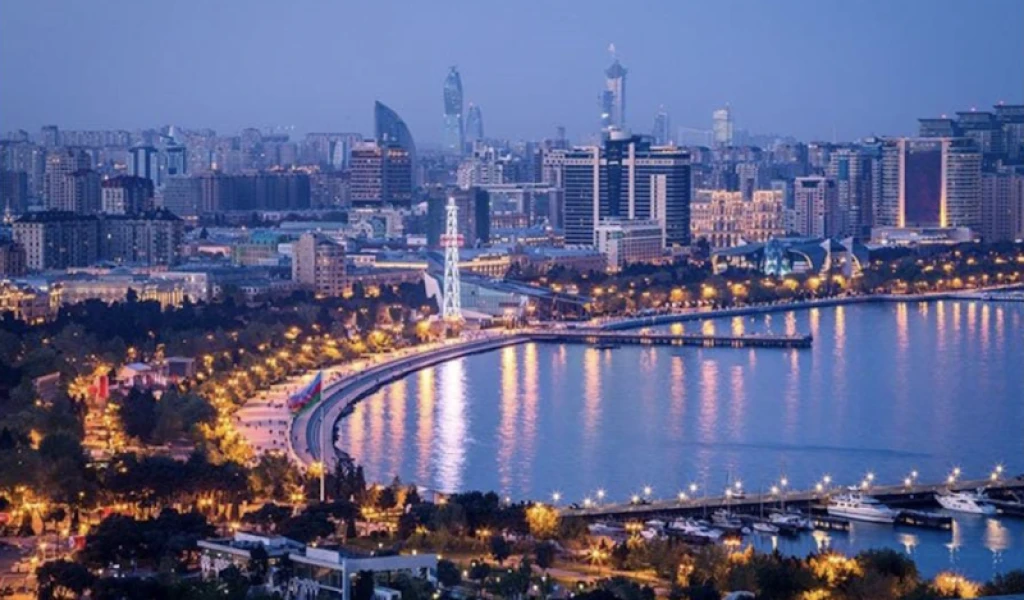
Azerbaijan, a country that rises under the shadow of ancient traditions while looking both to the past and the future, is one of the rare nations capable of doing so. Known as the "Land of Fire," these lands draw attention not only due to their geographical location but also their historical and cultural diversity and vibrant lifestyle. The capital, Baku, stands at the heart of this richness, merging the elegance of the East with the dynamism of the West.
On one hand, one can take a journey back in time through the stone streets of the UNESCO-protected Inner City, while on the other hand, it is possible to observe the reflections of contemporary architecture on the glass surfaces of the Flame Towers rising to the sky. Baku inspires every type of traveler with a wide cultural array ranging from the Carpet Museum to modern art galleries, from traditional Azerbaijani cuisine to world cuisine. This enchanting city offers a historical heritage integrated with the symbol of fire alongside an innovative city vision.
Exploring Azerbaijan is not just about traveling to a country; it is about experiencing an identity, a history, and a robust future. And the brightest point of this experience is undoubtedly Baku.
Azerbaijan: The Land of Fire and Culture
Azerbaijan is a unique crossroads where the East meets the West, tradition meets modernity, and nature meets energy. These lands, known as the "Land of Fire," offer a cultural richness extending from the ancient belief of Zoroastrianism to today's skyscrapers and from traditional carpets to digital art galleries.
Located in the heart of the Caucasus, Azerbaijan promises both its nature and people to provide a warm, dynamic, and profound travel experience. Especially Baku stands out as an enchanting city that preserves the past and future of this unique country on the same street.
What Does “Land of Fire” Mean?
The origin of Azerbaijan being called the "Land of Fire" dates back to ancient times. This title refers to the existence of areas where natural gas seeps and ignites spontaneously in this geography, the birthplace of Zoroastrianism.
- Yanardag (the eternally burning fire),
- The Atashgah Fire Temple are sacred sites that are living examples of this symbolism. Fire here represents not only a physical but also a cultural and spiritual value, symbolizing enlightenment, strength, and resilience.
Azerbaijan's Geographical Position and Cultural Wealth
Located in the Caucasus region, on the western shore of the Caspian Sea, Azerbaijan possesses a country identity shaped by both the depth of Asia and the dynamism of Europe.
- This geography, combining Turkish, Iranian, Russian, and Arab influences, hosts many unique syntheses ranging from food to music, architecture to clothing.
- Elements such as the UNESCO World Heritage-listed Inner City (Icherisheher), Gobustan rock carvings, and the carpet weaving tradition are prominent examples of this cultural diversity.
The Best Times to Travel to Baku
Baku, a city with a semi-desert climate, shows a different face at various times of the year:
- Spring (April-June): A period when the weather is mild and nature is alive. It is ideal for city walks and outdoor trips.
- Autumn (September-October): A time when the crowds are fewer, and festivals are held. It is particularly fertile for cultural and gastronomy tourism.
- Summer (especially July-August) is preferred for enjoying the seaside by the Caspian; winter highlights the mountain villages and thermal regions.
Baku’s Historical Texture: The Old City (Icherisheher)
The Inner City at the heart of Baku is one of the rare places where history blends with modern city life. Surrounded by city walls, this ancient area is not only the oldest settlement in Azerbaijan, but has also maintained its role as a center of culture, art, and trade for centuries. Designated a UNESCO World Heritage Site since 2000, the Inner City presents traces of the Silk Road, the elegance of Islamic architecture, and the unique details of medieval urban planning together.
Shirvan Shah Palace and Maiden Tower
The two emblematic structures of Icherisheher, the Shirvan Shah Palace and the Maiden Tower, are among the most valuable examples of Azerbaijan's history and architecture.
- The Shirvan Shah Palace, commissioned by the Shirvan Shah dynasty in the 15th century, includes tombs, a mosque, a bathhouse, and the palace building within its complex. The intricacy of stone craftsmanship and architectural details reflect the aesthetic understanding of the period.
- The Maiden Tower, a historical structure surrounded by legends, is a mysterious cylindrical tower dated to the 12th century, standing tall on the Caspian Sea shore and inspiring many local legends.
UNESCO World Heritage Sites
Icherisheher, along with both the Maiden Tower and the Shirvan Shah Palace, was registered as a cultural heritage by UNESCO in 2000.
This registration indicates that the area holds universal significance not only for its architectural value but also for its long-standing history of settlement, trade, and cultural accumulation.
Cobblestone Streets, Caravanserais, and Traditional Markets
When you explore Icherisheher, you will feel like you are traveling through time.
- The narrow, winding cobblestone streets are surrounded by historical buildings.
- Small caravanserais, mosques, and water cisterns are witnesses to the social life that has lasted for centuries in the region.
- In traditional markets, coppersmiths, jewelers, and perfume sellers bring the rhythm of the past to the present.
Handicrafts, Souvenir Shops, and Carpet Culture
Icherisheher is also an important center where handicrafts are preserved and promoted.
- Handmade miniatures, ceramics, traditional jewelry, and local art products are offered to visitors.
- Azerbaijani carpet weaving holds a special place here. You can watch craftsmen at work in carpet workshops, learn the meanings of traditional patterns, and acquire a unique souvenir.
Modern Baku: Architectural Marvels and Future Vision
Baku stands out not only for its past but also for its forward-looking architectural vision and innovative urban planning. The city, which has undergone a significant transformation in recent years, represents the modern face of the Caucasus with its iconic structures built from glass, light, and steel. This transformation reflects Azerbaijan’s economic growth, global vision, and cultural renewal in the city's silhouette.
Flame Towers: The Flame Symbol of the City
One of Baku’s most recognizable structures, the Flame Towers, refers to the country's calling as the "Land of Fire" with its three gigantic buildings.
- Reaching a height of 190 meters, these towers illuminate at night with LED systems resembling real flames, visible from all over the city.
- One tower serves as offices, another as residences, and the third as a hotel, while also becoming the iconic symbol of Baku's modernization.
Heydar Aliyev Cultural Center – Zaha Hadid’s Signature
The Heydar Aliyev Cultural Center, designed by world-renowned architect Zaha Hadid, is considered one of the pioneers of contemporary architecture not only in Azerbaijan but worldwide.
- The building, designed with flowing, curved, and continuous lines, is inspired by nature and reflects the idea of "continuous progress" in architecture.
- It houses museums, exhibition areas, conference halls, and art galleries.
- The structure also best embodies Azerbaijan’s cultural-artistic vision and architectural ambition.
Baku Boulevard and Modern Life by the Caspian Sea
Located along the city's coastline, Baku Boulevard is one of the most vibrant social hubs for both locals and tourists.
- This approximately 5-kilometer-long promenade features parks, cafes, shopping centers, and event spaces, providing an ideal area for family time.
- Along the boulevard, structures like the Giant Ferris Wheel (Baku Eye), Mini Venice, and Crystal Hall offer visual and entertaining stops.
- Evening walks with the sea breeze present a perfect opportunity to experience Baku’s modern face.
Contemporary Urban Fabric Blended with Glass, Light, and Steel
Baku’s city silhouette has gained a unique identity thanks to the post-modern structures that rise in harmony with classic Middle Eastern architecture.
- Glass-fronted skyscrapers, illuminated bridges, museums, and art buildings showcase Baku's different faces both day and night.
- This transformation is the result of a process where not only architecture but also urban planning encompasses sustainability, transportation, and aesthetic value.
The Heritage of Fire Worshippers: Atashgah and Yanardag
One of the most mystical elements in Azerbaijan's history is undoubtedly the sacred connection to fire. This belief has not only granted the country the title of "Land of Fire" but has also transformed into a cultural heritage through ancient temples and sacred sites intertwined with Zoroastrianism. The Atashgah Fire Temple and Yanardag surrounding Baku are the two strongest symbols of this heritage.
The Historical and Zoroastrian Connection of Atashgah Temple
The Atashgah (Ateşgede) Temple, located in the Surakhani village of Baku, was built in the 17th century. However, its roots trace back to a much earlier time during the Zoroastrian era.
- In the center of the temple, there is a constantly burning fire resulting from a natural gas leak; this fire has been considered purifying and sacred in Zoroastrian belief.
- The use of the temple by Indian and Persian traders over time transformed it into a multicultural place of worship.
- Today, this historical area, open to visitors, offers an educational experience about ancient belief systems with its interactive museum and reconstructions.
Yanardag – The Legend of the Continuously Burning Natural Fire
Yanardag is a slope located north of Baku that has been burning continuously for centuries due to a natural gas leak.
- The eternal flame has turned this region into a symbol surrounded by both religious and cultural legends.
- Visitors can observe the power of fire directly here; with the museum and information boards set up around the area, they can learn detailed information in geological and cultural contexts.
The Mystical Aspects of These Sites and Tourist Experience
Atashgah and Yanardag are not only significant historically but also hold strong spiritual and symbolic meanings.
- These areas are essential spots for photographers, history enthusiasts, and travelers seeking a spiritual journey due to their mystical atmosphere and unique natural phenomena.
- Both sites are supported by regular tours and guided visits, giving visitors the opportunity to explore the religious, cultural, and geological layers of Azerbaijan together.
Cultural Life and Art in Baku
Baku stands out not only for its architectural and historical buildings but also for its rich cultural heritage and contemporary art spaces. The city has a multifaceted cultural life where traditional values and modern art come together. Every form of art, from carpet art to opera, digital exhibitions to classical theater, is vibrantly represented in the city.
Azerbaijan Carpet Museum and Its Architecture
The Azerbaijan Carpet Museum is a building that is unique in both its content and architecture worldwide.
- The museum building is designed in the shape of a rolled carpet and showcases centuries-old Azerbaijan carpet weaving traditions inside.
- Visitors can learn about the regional pattern differences of carpets, the use of colors, weaving techniques, and their symbolic meanings.
- Additionally, visitors can watch live performances by traditional carpet masters in the museum.
National Museums, Galleries, and Contemporary Art Events
Baku has a profile open to every period and movement of art with entities like the Azerbaijan National Museum of Fine Arts, the Modern Art Museum, and private galleries.
- Particularly, events in the contemporary art field, such as biennials, contemporary exhibitions, photography festivals, and digital installations reflect the cultural dynamism of the city.
- The art activities in Baku follow a busy calendar throughout the year, hosting both local and international artists.
Opera, Theater, and Traditional Music (Muğam) Culture
Baku has a strong past in classical arts as well.
- The Azerbaijan State Opera and Ballet Theater is a prestigious institution where works of classical music and ballet are performed.
- One of the most unique forms of traditional Azerbaijani music, Muğam, is recognized by UNESCO as Intangible Cultural Heritage and is still preserved in concerts and stage performances.
- For theater lovers, there are numerous state and private theater stages in the city that present not only Azeri plays but also world classics.
Azerbaijan Cuisine: A Delicious and Spicy Journey
Azerbaijani cuisine is a unique synthesis of Central Asian, Iranian, Caucasian, and Ottoman culinary cultures. Highlighted by rich aromas, a delicate balance of spices, and cooking techniques, this cuisine also reflects the hospitality and lifestyle of the Azerbaijani people. Meals are seen not just for nourishment but as part of sharing, conversation, and cultural identity.
Plov, Dolma, Piti, and Other Traditional Delicacies
- Plov (Pilaf): The crown jewel of Azerbaijani cuisine. Prepared with saffron, dried fruits, and meat, each region has its unique plov recipe.
- Dolma: Stuffed grape leaves, cabbage, or vegetables filled with a mix of minced meat, rice, and spices. The most famous variety is the yarpaq dolması served with yogurt.
- Piti: A dish of meaty chickpea stew cooked in small pots. This dish is specific to the Sheki region and is slowly cooked in a stone oven, involving a special serving ritual.
- Kebabs, düşbere (mini dumplings), and qutab (thin dough stuffed with greens or minced meat) are also must-try delicacies.
Tea Culture and Conversations in Armudu Glasses
In Azerbaijan, tea is a way of life.
- Black tea served in slender, pear-shaped armudu glasses is typically presented with lemon slices.
- It is accompanied by jam (murabba), dried fruits, or sugar.
- Tea is consumed at any hour of the day; it is seen as a companion to both facilitating digestion after meals and socializing with friends.
- This cultural experience can especially be enjoyed in the old streets of Baku or in the tea houses of Icherisheher.
Cafe Culture and Street Delicacies on Nizami Street
Nizami Street, one of the liveliest spots in Baku, is filled with cafes and restaurants shaped by both traditional flavors and modern touches.
- Street vendors sell tandir bread, qutab, and sweets like shekerbura, offering quick but authentic snacks.
- The cafe chains and local spots along Nizami Street reflect Azerbaijan's modern culinary understanding by blending tea culture with coffee.
5 Traditional Dishes You Must Try in Baku
1. Shakh Plov – A spectacular pilaf rolled in thin lavash with a filling of dried fruits, nuts, and meat.
2. Dushbere – Tiny handmade dumplings simmered in meat broth.
3. Qutab – A thin pastry filled with greens, minced meat, or cheese.
4. Piti – A Sheki-style chickpea and lamb stew.
5. Badimcan Dolması – A meaty dolma made with eggplant and other vegetables, served with grape leaves.
Other Places to Visit in the City and Daily Itineraries
Baku offers travelers multifaceted experiences not only through its historical buildings but also through contemporary living spaces, architectural richness, and natural beauties. Even within a short vacation, one can fit in separate themes for each day: history, nature, modernity, and shopping.
Teze Pir Mosque and Baku’s Religious Structures
Teze Pir Mosque is one of the most magnificent religious buildings in Baku.
- Begun in 1905, this mosque reflects the elegance of Eastern architecture while highlighting Baku's Islamic identity.
- Built of white stone, this structure with its massive dome and delicate decorations is a meeting point of spirituality and architectural aesthetics.
- The city also features religious structures such as Molla Penah Vagif Mosque and Bibi Heybat Mosque, which stand out for both worship and architectural exploration.
Caspian Coastal National Park (Baku Boulevard)
Baku Boulevard, stretching along the Caspian Sea, is a favorite walking route for both locals and tourists.
- With wide walking paths, bike trails, playgrounds, and cafes, it offers an ideal space for family time.
- Landmarks such as the Giant Ferris Wheel (Baku Eye), Mini Venice, and Crystal Hall line the boulevard and offer visual and entertaining stops.
- Evening walks amid the sea breeze provide a fantastic opportunity to experience Baku’s modern face.
Upland Park – The Best Spot to View Baku
Upland Park is one of the highest points in the city, where you can observe the panoramic view of Baku.
- Visitors can choose to take a cable car or walk up the stairs to the park.
- The stunning view of the Flame Towers, the Caspian Sea, the Martyrs' Lane, and Baku Boulevard offers an impressive display.
- In particular, visiting during sunset provides both a visual feast and increased admiration for the city.
- The park also features Martyrs' Lane, a deep memorial space for Azerbaijan's recent history.
Shopping, Malls, and Modern City Life
Baku also offers rich shopping options for visitors.
- Nizami Street hosts boutiques of local designers alongside world-famous brands.
- Modern shopping centers like Ganjlik Mall, 28 Mall, and Port Baku Mall offer a broad range of shopping opportunities from clothing to electronics, cosmetics to local delicacies.
- These malls also reflect the city's modern lifestyle with cinema halls, restaurants, and entertainment centers.
- For traditional shopping, Taza Bazaar and Yashil Bazaar are colorful spots where you can find spices, dried fruits, and Azerbaijani-specific local products.
Practical Information for Traveling to Baku
Visa, Transportation, and Urban Transit Vehicles
Turkish citizens traveling to Azerbaijan can take advantage of the visa-on-arrival or e-visa application. The fastest and easiest method is to apply via the ASAN Visa system, which can be completed at least three days before the trip.
Direct flights to Baku are available from Istanbul and Ankara; the flight duration is approximately 2.5 hours. It takes about 30 minutes by taxi and around 1 hour by bus to reach the city center from Heydar Aliyev Airport.
In city transport, metro, bus, minibus, and taxi are common. The metro network provides easy access to important tourist stops. The transport card named Bakukart is valid for public transport.
Safety, Accommodation, and Budget-Friendly Suggestions
Baku generally stands out as a tourist-friendly and safe city. You can comfortably wander around the central areas even at night.
Accommodation options include luxurious hotels (Fairmont, Hilton), boutique hotels (around the Inner City), and more affordable guesthouses or hostels.
When planning your budget, you will find that meals, transportation, and museum entrance fees are quite reasonable compared to European standards. Plus, street food and local markets offer delicious and economical experiences.
Azerbaijani or Turkish? Language and Communication Tips
Azerbaijani is from the same language family as Turkish, making communication fairly easy. Mutual understanding can be achieved in daily conversations; though some words may differ, there should be no difficulty in basic dialogues.
In tourist areas, many young people speak English; support for foreign languages is common in places like restaurants, hotels, and museums. However, knowing some Azerbaijani words can create warmth when communicating with the locals.
Conclusion: The Spirit of the Past and the Splendor of the Future in Baku
Balancing the historical stone streets of the traditional Inner City with futuristic structures like the Flame Towers and the Heydar Aliyev Center allows visitors to experience both cultural depth and a contemporary urban setting at the same time. While wandering through the city, you may find yourself encountering both the Middle Ages in one step and the design of the next century in another.
A Multi-layered Urban Experience Rising from the Symbol of Fire
Azerbaijan’s capital Baku, known as the "Land of Fire," intertwines its mythologically rich natural treasures with its complex history and dynamic urban life.
As you stroll through the streets of Baku, you embark on not just a trip but also a time journey in a geography that has witnessed an intersection of civilizations. With Drabos Travel, this journey turns into an unforgettable cultural experience.