

Balkan Flavors and Culture Tours: A Journey from History to Dance
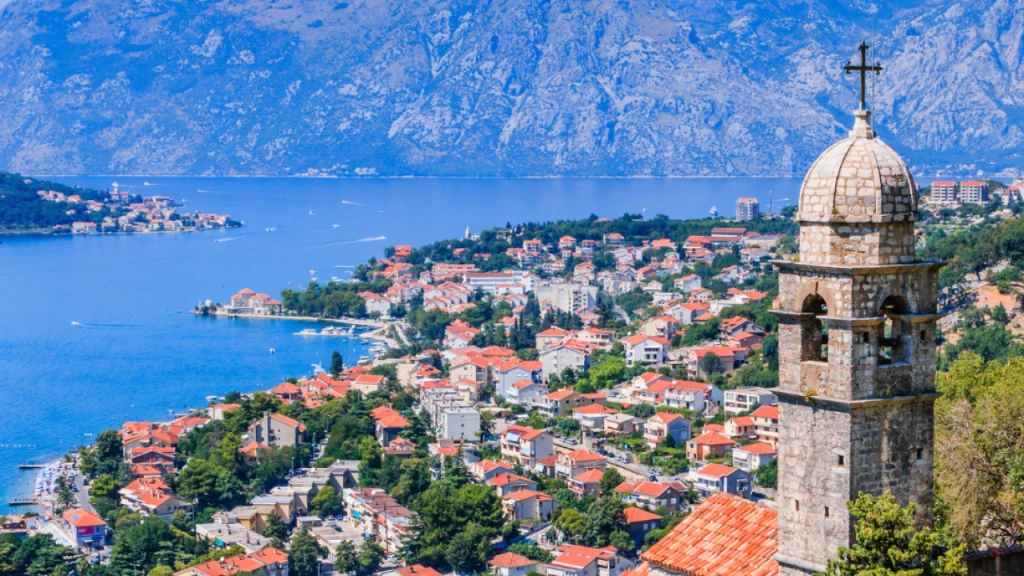
The Balkans, a crossroads of different civilizations throughout history, is home to a rich cultural heritage that appeals to both the palate and the soul. From the Ottomans to Austria-Hungary, Byzantium to Slavic peoples, this land is where the rich aroma of pastries mingles with the distant sound of a shepherd's flute, marking the beginning of a true journey: a Balkan tour from dance to history, from flavor to rhythm...
In this article, we will explore step by step the most unique tastes of Balkan cuisine, the enthusiasm of folk dances, the spirit of local festivals, and the traces of historical cities. If you love to travel, eat, and learn, this article is just for you.
Balkan Cultural Wealth Foundations
A Crossroads: Lands Where Civilizations Meet
The Balkans are not just a geographic area, but a unique mosaic where “history, culture, and human stories intertwine.” Located in southeastern Europe, this region has hosted various civilizations for centuries, witnessing both wars and peace, migrations and common living.
The Historical Importance of Balkan Geography
The Balkans serve as a “bridge of transition” between Asia, Europe, and the Middle East.
- Great empires like Rome, Byzantium, and the Ottomans have left their marks on these lands.
- Changes in borders throughout history have endowed the region with a multi-layered political and cultural texture.
- Due to its position at the intersection of East and West, north and south, “different belief systems, languages, and lifestyles coexist here.”
The Balkans are not a geography where history is written, but where it is lived.
Ottoman Heritage and Multiculturalism
The nearly 500-year rule of the Ottoman Empire in the Balkans has left deep marks in many areas, from city planning to cuisine.
- Mosques, caravanserais, bridges, and clock towers still stand today.
- Turkish-derived words, musical modes, shared recipes, and folk dances are living examples of this historical unity.
- The presence of mosques, churches, and synagogues side by side in the same city shows that a “culture of coexistence” has taken root in the Balkans.
The Ottoman heritage is not just a thing of the past in the Balkans; it is a living trace of today.
Each Country's Colorful Identity
Today’s Balkans, though divided by political borders, continue to sustain “each country’s unique cultural richness”:
- Bosnia and Herzegovina: Known for its Bosnian cuisine, sevdalinka music, and historic cities like Mostar.
- Serbia: Notable for folk dances enriched by Slavic influences and traditional wedding music.
- North Macedonia: Preserves its cultural diversity with Orthodox churches, Ottoman bazaars, and vibrant markets.
- Albania: Resembles a mixture of Eastern and Western identities with both Catholic and Muslim backgrounds.
- Countries like Bulgaria, Kosovo, Montenegro, Croatia, and Romania contribute to this richness with their unique architecture, languages, music, and cuisine.
In the Balkans, every border crossing opens a door to a new cultural color.
Overview of Balkan Culinary Tours
An Unforgettable Journey in Search of Traditional Tastes
The Balkans enchant visitors not only with their history and architecture but also with their “multicultural cuisine.” Spanning a vast spectrum from Ottoman to Slavic influences, Mediterranean to Austro-Hungarian cuisine, every plate and every bite tells a story. Culinary tours offer unique opportunities for those looking to experience this richness firsthand.
An Introduction to Balkan Cuisine: Harmony of Meat, Dough, and Spices
The foundation of Balkan cuisine lies in the “tradition of creating rich flavors with simple yet filling ingredients.”
- Meat, especially minced and lamb, is the backbone of regional cuisine. Meatballs, stews, and grilled varieties are very common.
- Pastry dishes are indispensable. Börek, pastries, cornbread, and gözleme-like delicacies are found at almost every table.
- Spices, unlike those in Middle Eastern cuisine, are used more balanced and mild. Paprika, pepper, garlic, and oregano take the lead.
Balkan cuisine is a familiar yet surprise-filled table.
From Street Foods to Table Culture
Every Balkan city manages to capture you with a “griljija stand, köfte seller, or sweet shop” while you lose yourself in its side streets.
- Ćevapi (kebabs) sandwiches, pastry shops, grilled corn, and ayran or boza consumed on the go are among the essentials of street culture.
- At home, dining is a ritual. The “mezze culture” blends with hospitality. Tables are laden with variety, portions are generous.
- For the local people, eating is not just about satisfying hunger, but a way to be together and preserve culture.
Taste that begins in the street finds meaning at the table.
10 Authentic Balkan Dishes You Must Try
1. Ćevapi – Little kebabs widely consumed in Bosnia, Serbia, and Montenegro, served with pita bread and onions.
2. Börek – A pastry made of finely rolled dough filled with minced meat, cheese, or potatoes; a star of breakfasts and snacks.
3. Sarma – Minced meat stuffed in vine or cabbage leaves, served with yogurt.
4. Ajvar – A dip made from roasted red peppers and eggplant; a staple at every meal from breakfast to dinner.
5. Pljeskavica – A Balkan-style hamburger; spicy, fatty, and grilled.
6. Goulash – A meat stew interpreted in a Balkan style but influenced by Hungarian cuisine.
7. Shopska Salad – A refreshing salad made with tomatoes, cucumbers, peppers, and feta, originally from Bulgaria.
8. Tavče Gravče – A baked bean dish that is the signature of Macedonian cuisine.
9. Krofne – Fried doughnuts, either without filling or filled with jam, in Balkan style.
10. Baklava – An Ottoman legacy, but with each country offering its own unique take.
These flavors appeal not only to the stomach but to the memory as well.
Country Selections from Balkan Cuisine
Each Country Tells Its Story through Its Table
The Balkan geography brings together different colors not only in its history but also in its cuisine. Common elements exist, but each country has created its own “gastronomic culture” with its natural products, traditional cooking techniques, and taste preferences. Here are must-try dishes for a delicious Balkan journey, country by country:
Bosnia and Herzegovina: Ćevapi, Bosnian Pie, and Coffee
- Ćevapi: Little finger-shaped grilled meat patties served with flatbread and chopped onions.
- Bosnian Pie: Minced or cheese pies made with finely rolled dough, baked in a stone oven.
- Bosnian Coffee: This coffee, brewed in a cezve over low heat and served in copper cups, is a ritual accompanied by Turkish delight and water.
Drinking coffee in Bosnia is not just about drinking; it is about pausing, sharing, and remembering.
Serbia: Pljeskavica, Kajmak, and Rakija
- Pljeskavica: A large spiced meat patty grilled and served in a flatbread or sandwich.
- Kajmak: A cross between butter and clotted cream; consumed as breakfast or served over hot meats.
- Rakija: A traditional fruit brandy based on plums, indispensable before meals and at social gatherings.
Serbian cuisine is filled with strong flavors and hearty dishes.
North Macedonia: Tavče Gravče, Ajvar, and Local Wines
- Tavče Gravče: A spicy baked bean dish in a clay pot, the national dish of Macedonia.
- Ajvar: A spread made from roasted peppers, eggplant, and garlic, present at every meal from breakfast to dinner.
- Macedonian Wines: Red wines from the vineyards in the Vardar Valley are a rising value in the Balkans.
Macedonian cuisine symbolizes simple yet profound flavors and an agricultural heritage.
Albania: Fërgesë, Byrek, and Seafood
- Fërgesë: A traditional dish made by baking peppers, tomatoes, and a cheese similar to cottage cheese.
- Byrek: The Albanian interpretation of pastry; with spinach, minced meat, and cheese variations, it's the crowning glory of street food.
- Seafood: Fresh calamari, sea bass, and mussels are abundantly consumed along the Adriatic coast.
Albanian cuisine offers both rural essence and coastal tastes on tables where mountains meet the sea.
Montenegro & Croatia: Mediterranean-Flavored Delights
- Montenegro: Grilled fish, lamb stews, and corn-based garnishes reflect the tranquil flavors of the Adriatic coast.
- Croatia: Olive-oil recipes, octopus salads, and Dalmatian cuisine with truffle pasta carry Mediterranean influence.
These regions combine the freshness, simplicity, and flavors brought by the sea.
Bulgaria: Banitsa, Tarator, and Yogurt Culture
- Banitsa: A cheese-filled pastry, preferred for breakfast or as a snack.
- Tarator: A cold soup made from yogurt, cucumber, dill, and walnuts – a classic that cools in summer.
- Yogurt Culture: Yogurt made with the “Lactobacillus bulgaricus” bacterium is one of the gastronomic symbols of the country.
Bulgarian cuisine stands out with refreshing, probiotic, and traditional flavors.
Highlights of Balkan Culture Tours
Cities Where History, Culture, and Colors Intertwine
Cultural tours in the Balkans offer unforgettable stops in cities each with distinct histories and identities. Ranging from Ottoman heritage to Slavic traces, and from Western European influences to Balkan folklore, “each city tells a story, and each street is a time travel.”
Mostar Bridge and Ottoman Traces (Bosnia-Herzegovina)
- The Mostar Bridge, built in 1566 by Mimar Hayreddin, a student of Mimar Sinan, symbolizes Balkan architecture.
- The Old Bazaar, surrounded by stone houses, caravanserais, and mosques, is a vibrant example of “Ottoman urban planning.”
- Jumping from the bridge and the view from it are unforgettable experiences for visitors.
Mostar is the intersection of tolerance, resistance, and aesthetics in the Balkans.
Skopje: A Blend of Macedonian-Turkish Culture (North Macedonia)
- The Skopje Bazaar, filled with long-standing Ottoman shops and mosques, is one of the oldest trade centers in the region.
- The Stone Bridge, Davut Pasha Bath, and Kuršumli Han reflect the traces of Ottoman legacy in Skopje.
- Modern Macedonian monuments coexist alongside traditional Turkish culture.
Skopje is a cultural junction where the past is preserved and the future is shaped.
Sarajevo’s Courtyard Houses and Mosques (Bosnia-Herzegovina)
- Baščaršija is the heart of Sarajevo: filled with coppersmith streets, fountains, historic cafes, and mosques.
- Gazi Husrev Bey Mosque and its madrasah are examples that imbue the city center with the spirit of the Ottomans.
- Courtyard houses reflect traditional lifestyles; upon entering, you are greeted with inner tranquility.
In Sarajevo, every stone whispers both the pain and beauty of the past.
Belgrade: Nightlife and Historical Manors (Serbia)
- Kalemegdan Fortress offers a historical viewpoint at the confluence of the Danube and Sava rivers.
- Skadarlija Street, with its architecture blending Ottoman, Austrian, and Yugoslav influences, is a gateway to both the past and art.
- Belgrade’s nightlife is one of the most vibrant in the Balkans: kafanas, jazz clubs, and DJ bars converge here.
Belgrade is a modern history stage that blends cultural depth with entertainment.
Lake Ohrid and UNESCO-Protected Beauty (North Macedonia)
- Lake Ohrid is one of Europe’s oldest and deepest lakes. The city located by it is under the protection of UNESCO.
- The Sveti Naum Monastery is one of the most magnificent religious structures by the lake.
- Old stone streets, wooden houses, and lakeside restaurants add tranquility to the tour.
Ohrid is a resting place for the soul, a peaceful breath in the Balkan journey.
Balkan Folk Dances and Music Culture
Folklore Reflecting Rhythm, Costumes, and Unity
In the Balkans, music and dance are not just forms of entertainment; they are “the strongest carriers of cultural memory.” From weddings to fairs, from festivals to street performances, rhythm is always a part of life.
Kolo, Horo, and Oro: Common Rhythm, Different Figures
- Kolo (Serbia) is a fast-paced folk dance performed in a circular formation while holding hands.
- Horo (Bulgaria) is quite technical and energetic, involving rhythmic transitions and footwork.
- Oro (Macedonia/Albania) is a group dance characterized by step-by-step growth, rich in storytelling through foot stomps.
Each dance figure tells the story of that nation through body language.
Live Performances and Festival Atmosphere
- The Guča Trumpet Festival (Serbia) is one of the largest organizations where the heart of Balkan music beats.
- In Macedonia, the Ohrid Summer Festival features folkloric dances and performances by local artists.
- Traditional Sevdalinka nights in Bosnia are emotional evenings where poetry meets music.
At the festival, rhythm touches not only the ears but the heart.
Dance Shows and Events Included in Tours
- Many Balkan culture tours feature “traditional folk dance performances” as evening events.
- Participants can try on “local costumes” and learn simple figures under the guidance of instructors.
- A “live Balkan orchestra” accompanying dinner makes for an unforgettable experience.
Balkan dances and music are a living heritage, to be experienced rather than merely observed.
Practical Information for Balkan Tours
Everything You Need to Know Before Your Journey
The Balkans are one of the most preferred routes for Turkish travelers due to their cultural diversity and proximity. However, to get the most out of this journey, there are some practical information you need to know in advance.
Best Times to Visit
- The months of “spring (April to June)” and “autumn (September to October)” are the ideal times to travel through the Balkans. The weather is mild, crowds are smaller, and nature is at its most colorful.
- During the summer months (July to August), temperatures may rise in some areas, and tourist spots can be quite crowded.
- In the winter months (December to March), ski tourism can be experienced in Montenegro, Serbia, and Bulgaria.
Ideal period: Spring/autumn for cultural tours – summer months for nature and festivals.
Visa, Passport, and Transportation Information
- Passport: Entry is possible with a passport in most Balkan countries, while in some countries (Bosnia-Herzegovina, Serbia, Montenegro, North Macedonia, Albania) entry is also possible with just an identity card.
- Visa: Bulgaria, Croatia, and Romania require a “Schengen or their own visas,” while many other Balkan countries do not apply a visa for Turkish citizens.
- Transportation: Direct flights, road travel, and bus crossings are available from Turkey to many Balkan countries. Tours generally depart from Istanbul.
Do not forget to check the validity of your documents before you set off.
Clothing, Shopping, and Essentials to Pack
- Clothing: Weather-appropriate, comfortable walking shoes, thin layered clothing, and a raincoat are ideal.
- Shopping: Local markets, handmade products, ceramics, traditional textile items, and wooden crafts are unique to the area.
- Essentials: Passport or identity card, spare shoes, camera, travel adapter, light backpack.
Since the Balkans offer both urban walks and rural discoveries, it’s essential to prepare a versatile packing list.
Special Moments You Will Experience in Tours
Tasting, Living, and Remembering the Culture
Balkan tours are not just a trip; they are also an “experience adventure within local life.” Some special moments offered by these tours elevate this journey from ordinary to unforgettable.
Cooking Workshops with Local Families
- Some boutique tours offer workshops in a local family's home for “making pastries, ajvar, or traditional bread.”
- During these workshops, you learn recipes while also building cultural connections.
- Along with the recipes, the conversations and smiles stay with you.
Food culture is the most sincere gateway to friendships in the Balkans.
Wine Tasting Sessions and Market Visits
- In countries like “Macedonia, Serbia, and Bulgaria,” local wineries often include wine tasting events in their tour itineraries.
- Exploring the lands where grapes grow, learning from the producers, and trying various types of wine is a delightful cultural activity.
- Morning local markets in places like Ohrid, Mostar, or Veliko Tarnovo offer a chance to discover traditional tastes and handicrafts.
Wine tasting and market visits deepen your bond with the region.
Historic Walls, Castle Paths, and Breakfasts in Nature
- Historical sites such as Kalemegdan, Berat, Rila Monastery, and Rozafa Castle can be combined with morning walks and breakfasts.
- Some tours offer “morning breakfasts served in accommodations with mountain views.”
- Having a coffee at a historic castle as the morning mist rises is one of the unforgettable moments of your Balkan trip.
History and nature dine at the same table in the Balkans.
Conclusion: A Journey that Will Touch Your Soul in the Balkans
After a journey full of history, flavor, melody, and friendship...
A Trip Whose Taste Will Remain in Your Mouth, Whose Melody Will Stay in Your Heart
The Balkans are not just the lands you step into; a “pastry that will linger on your palate,” a “melody resounding in a square,” a “silence shared under a bridge,” or a “friendship formed at a table” are what remain with you. This journey is an exploration completed not just with the body but with the heart.
Sometimes while walking on the stones of the Mostar Bridge, at other times listening to the sound of a ney down a Skopje street, the Balkans confront you not just with history, but “with yourself.”
And when you return, what you bring back are not merely souvenirs, but “memories, sounds, and scents.”
Dream Routes Where Culture, Music, and Flavor Blend
In the Balkans, each stop holds a different story, each table shares a common past, and every melody carries a similar longing.
- Though countries speak different languages, the melodies “dance to the same rhythm.”
- While flavors are cooked with different recipes, they are “served with the same sincerity.”
- Cultures may seem separated by borders, but they are “bound by a common past.”
Each step you take on these dream routes can sometimes be a folk song, sometimes a smile, sometimes a shared glance. And in the end, you become “a part of the Balkans” rather than just a tourist.
Because the Balkans are a geography to be felt, not just visited.