

Information and Recommendations About the Districts of Çanakkale
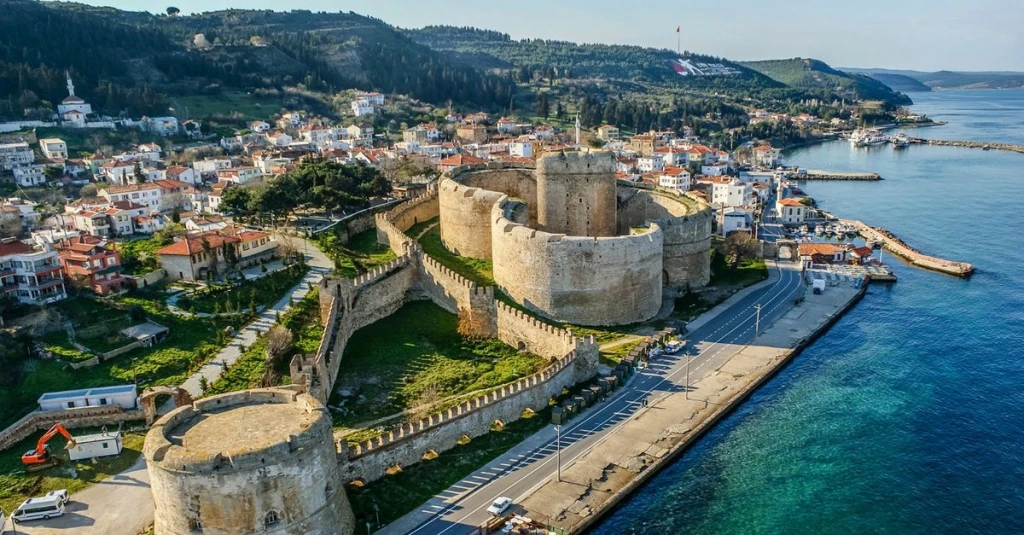
A landscape written in epic history, a strait connecting two continents, and a nature offering a different beauty in each of the four seasons…
Çanakkale is one of the rare cities that embodies all these unique qualities. However, the way to understand this unique structure is not only from the center, but by getting to know the 12 districts that make it up separately.
Each district carries a different identity, a distinct atmosphere, and an original story.
- Some have witnessed epics, wars, and heroic deeds,
- Some have hosted mythology, ancient cities, and legends,
- And others stand out with their natural beauty, seas, villages, and gastronomy.
In this guide, we will examine each district of Çanakkale separately and share:
Its geographical structure,
Its historical past,
Places to visit,
Local products and recommendations for travelers.
Whether you are planning a cultural journey or looking for routes where you can be alone with nature...
The districts of Çanakkale offer a different world for every traveler. If you are ready, let us explore this unique mosaic of 12 pieces together.
General Information About Çanakkale
Geographical Location and Population Distribution
Çanakkale is a strategically important province in northwestern Turkey, with land on both the European and Asian continents. The Çanakkale Strait, which connects the Sea of Marmara and the Aegean Sea, is the province's most distinctive natural boundary.
- Surface area: Approximately 9,817 km²
- Population (2023 data): Approximately 560,000 people
- Most of the population is concentrated in the central district and in developed districts such as Biga, Çan, and Gelibolu.
- In rural settlements, life revolves around organic agriculture, livestock farming, and tourism.
Çanakkale is one of Turkey's distinctive provinces, both for its historical heritage and its natural structure.
Distribution of Districts by Region
Çanakkale consists of 12 districts, which can be examined in 3 main regions based on their geographical locations:
- Gelibolu Peninsula (European Side):
- Gelibolu
- Eceabat
- Center and Surroundings (Strait Line – Asian Side):
- Merkez
- Lapseki
- Biga
- Çan
- Yenice
- Aegean Coast and Islands Region:
- Ayvacık
- Ezine
- Bayramiç
- Bozcaada
- Gökçeada
Located on both sides of the strait, these districts are different yet complementary in terms of climate, economic structure, and cultural fabric.
Distinctive Features of Each District
Each of Çanakkale's districts, with its own unique structure, offers different experiences to both locals and visitors:
|
District |
Distinctive Features |
|
Merkez |
Trojan Horse, Aynalı Çarşı, Şehitlik ferry crossing, museums |
|
Gelibolu |
Historical Peninsula, Anzac Cove, Cemeteries |
|
Eceabat |
Çanakkale Battlefields, Conkbayırı, 57th Regiment |
|
Bozcaada |
Grape harvest, winemaking, beaches, stone streets |
|
Gökçeada |
Greek villages, organic village life, nature and diving routes |
|
Ayvacık |
Assos, Kazdağları, Behramkale |
|
Ezine |
Cheese production, Alexandria Troas |
|
Bayramiç |
Foothills of Kazdağları, Ayazma Picnic Area |
|
Biga |
Industry, Parion Ancient City, agricultural and trade center |
|
Lapseki |
Peach orchards, coastal villages with strait views |
|
Çan |
Ceramic industry, thermal springs |
|
Yenice |
Forest villages, organic agriculture, nature tourism potential |
These districts offer different themes for both short trips and long explorations: culture, nature, history, sea, gastronomy, and more.
Central District: Çanakkale
The Çanakkale city center is the heart of the city in terms of history, culture, and social life. It offers many experiences together, from the ferry pier to the Trojan Horse, from museums to seaside promenades. It is the first place visitors encounter, with its ease of transportation, lively atmosphere, and authentic structures.
Aynalı Çarşı, Clock Tower, and Strait View
- Aynalı Çarşı stands out with its nostalgic atmosphere mentioned in folk songs, handicrafts, and souvenirs.
- The nearby Clock Tower, built in 1897, is one of the symbols of the city.
- You can walk from the bazaar along the coastline extending to the Çanakkale Strait (Kordon) and take photos in front of the Trojan Horse statue.
Sitting in cafés along the Kordon and watching ships pass through the strait is one of the most enjoyable ways to connect with the city.
Troy Ancient City and Museum
The Troy Ancient City, located about 30 km from the center near Tevfikiye Village, is on the UNESCO World Heritage List.
- Traces of the Trojan War, the subject of legends, can be discovered here.
- The adjacent Troy Museum, with its modern architecture and interactive displays, provides an in-depth introduction to the region's archaeological richness.
It is recommended to set aside at least half a day to visit both the ancient city and the museum.
Kordon Area and Cultural Events
The Kordon in the center is where the pulse of social life beats.
- Along the seafront you will find walking paths, open-air exhibitions, street artists, and book stands.
- During the summer months, many cultural events such as the Troy Culture Route Festival are held.
- With theaters, concerts, and art galleries, the city is culturally vibrant.
Depending on your visit time, you can check the cultural calendar and join events.
Gelibolu
Gelibolu, the main front of the Çanakkale War, offers an unforgettable route with its historical depth and natural beauty. Located on the European side, this district is filled with cemeteries, battlefields, and monuments. It also has the peaceful identity of a coastal town on the sea.
Cemeteries, Batteries, and Historical Sites
- Sacred places such as the 57th Regiment Cemetery, Çanakkale Martyrs' Memorial, and Seyit Onbaşı Monument are located within the boundaries of the Gelibolu Peninsula.
- The Mecidiye and Namazgâh Batteries reflect Ottoman defensive architecture and the first days of the war.
- Every year, tens of thousands of local and foreign visitors come to confront history on these lands.
When visited with guided tours, the historical context of each site is better understood.
Anzac Cove and Conkbayırı
- Anzac Cove is where Australian and New Zealand troops landed on the morning of April 25, 1915.
- Conkbayırı is a strategic hill where the bayonet charges that determined the fate of the war took place, and it is important as the place that carries the first traces of Atatürk's leadership in history.
Anzac Day commemoration ceremonies are held here every year at sunrise.
Gelibolu Lighthouse and Coastal Areas
After feeling the weight of history, it is possible to explore the seaside tranquility of Gelibolu.
- The Gelibolu Lighthouse is worth seeing, especially at sunset, with its view opening onto the endless sea.
- The walking path along the coast, with fishing boats and tea gardens, makes the region a resting point for both locals and visitors.
In the Gelibolu center, there are many restaurants where you can taste fresh fish and seafood.
Eceabat
Eceabat lies at the heart of the Gelibolu Peninsula Historical National Park. The most important fronts, monuments, and cemeteries of the Çanakkale War are within its boundaries. It also stands out for its peaceful camping areas integrated with nature.
Çanakkale Martyrs' Memorial and 57th Regiment Cemetery
- The Martyrs' Memorial is the most important structure keeping alive the memory of the Mehmetçik who lost their lives in the war.
- The 57th Regiment Cemetery is where the order "I am not ordering you to attack, but to die!" was given.
- Both sites give visitors a sense of historical awareness and deep emotional intensity.
By visiting the ceremony grounds, information panels, and museums, you can witness the human side of the war more closely.
Kabatepe Visitor Center
Located within the National Park boundaries, the Kabatepe Visitor Center is one of the most comprehensive centers presenting the Çanakkale War visually and audibly.
- With dioramas, interactive panels, war objects, and narrative sections, it draws visitors into history.
- It is an educational stop, especially for student groups and families.
It is recommended to check the opening hours before your visit.
Nature Walks and Camping Areas
Eceabat stands out not only for its history but also for its nature.
- The footpaths between the cemeteries are perfect for nature walks.
- The Kabatepe Forest Camp offers both beachfront access and the option to pitch tents or park caravans among the trees.
- It provides a natural atmosphere for activities such as trekking, meditation, and photography.
A unique route for those who want to be alone with history in silence.
Ayvacık
Ayvacık is located in the southwest of Çanakkale and is known for both its ancient heritage and its natural beauty. The district, with Assos, Behramkale, the Kaz Mountains, and its coastal villages, is truly a meeting point of history and nature.
Assos Ancient City and Temple of Athena
Assos is one of the most impressive ancient cities on the Aegean coast.
- The Temple of Athena at the summit of the acropolis is enchanting with its view overlooking the Gulf of Edremit.
- The remains of the ancient theater, necropolis, and agora are rich in both history and architecture.
- It is known that Aristotle once lived here and established a school of philosophy.
A visit at sunrise or sunset offers unique photographic frames.
Behramkale Village
Behramkale, located right next to the Assos Ancient City, is a traditional Aegean village with its stone houses, narrow streets, and historical fabric.
- Local products such as handicrafts, organic olive oils, and homemade jams can be found.
- Drinking Dibek coffee in the village café and relaxing with the view is an unforgettable experience.
Ideal for those who want to spend a slow and quiet day.
The Gateway to the Kaz Mountains
Ayvacık is the western gateway to the Kaz Mountains. In this region where green meets blue, it is possible to become one with nature.
- Starting from Küçükkuyu, you can reach nature and culture stops such as the Mıhlı Stream, Yeşilyurt Village, and Adatepe.
- It offers nature walks, plateau excursions, accommodation in stone houses, and the chance to get acquainted with medicinal herbs.
The Ayvacık area is one of the points with the most intense oxygen in the Kaz Mountains.
Bayramiç
Located on the northern foothills of the Kaz Mountains, Bayramiç is a quiet district known for its rich nature, plateau culture, and agricultural production. It is a route integrated with natural life, where you can feel the air, water, and abundance of the Kaz Mountains, known in mythology as "Mount Ida."
Kaz Mountains and Ayazma Picnic Area
Ayazma, one of the most visited spots in Bayramiç, is famous for its cool water springs and lush forest texture.
- Walks can be taken along waterfalls and streams, and you can rest in picnic areas.
- According to mythology, the Kaz Mountains were where the gods watched the Trojan War; in this respect, Ayazma also carries mythological depth.
An ideal escape for those who want to cool off in summer, be alone with nature, and breathe fresh air.
Outdoor Sports and Plateau Culture
- The high areas of Bayramiç continue to keep the tradition of plateau life alive.
- It offers routes well suited for outdoor sports such as hiking, cycling, camping, and off-road driving.
- Especially the Evciler, Gedik, and Çırpılar plateaus host local festivals in the summer months.
It is both a quiet and authentic discovery area for photographers and nature lovers.
Bayramiç Apple and Local Products
Bayramiç is known for the Bayramiç white apple, one of Turkey's fruits with a geographical indication.
- Known for its aroma and durability, this apple is eaten fresh and used in desserts.
- Additionally, homemade jams, natural olive oils, walnut noodles, and local tarhana are specific to the district.
By visiting local markets, you can buy natural products from village women.
Bozcaada
An island integrated with peace in the Aegean Sea…
Bozcaada is one of the most special destinations not only in Çanakkale but in all of Turkey. With its viticulture, stone streets, beaches, and cultural fabric, it slows down time from the moment you set foot on it.
Windmills and Sunset Spots
Located at the western tip of Bozcaada, the Windmills and Polente Lighthouse are among the most romantic and peaceful points of the island.
- Watching the sun rise between the wind turbines at sunset is one of the most sought-after experiences on the island.
- You can complete this view by bringing island wine and snacks.
For photographers, sunset hours are moments not to be missed.
Ayazma Beach and Wine Cellars
- Ayazma Beach, with its clear water and golden sand, is the most popular swimming spot in Bozcaada.
- There are food and drink alternatives around the beach.
- Bozcaada is famous for its grape cultivation that has continued for centuries. Wines produced from local grapes such as Çavuş and Karalahna are the cultural heritage of the island.
Wine cellars can be visited, tastings can be held, and boutique wines can be purchased.
Island Culture and Stone Houses
- The streets of Bozcaada are surrounded by stone houses where Greek and Turkish architecture blend.
- Walking through the narrow streets, you can discover art studios, cafés, and small bookshops.
- In the summer months, the island hosts jazz festivals, grape harvest celebrations, and art events.
Bozcaada is not just a holiday, but a cultural experience.
Gökçeada
Gökçeada, the largest island in Turkey, is the most authentic island of the Aegean with its naturalness, organic village life, and cultural diversity. It is an indispensable destination for both nature lovers and those seeking tranquility. The island's fabric offers an atmosphere where past and present coexist in harmony.
Greek Villages (Zeytinli, Tepeköy, Dereköy)
- Zeytinli Village is famous for its historic Greek coffeehouses, Dibek coffee, and traditional houses.
- Tepeköy is one of the most beautiful spots on the island for watching the sunset.
- Dereköy, which once had more than 2,000 inhabitants, is almost like an open-air museum with its surviving stone houses.
Walking through the village streets, chatting with locals, and buying handicrafts offer an unforgettable experience.
Salt Lake and Aydıncık Beach
- Salt Lake turns into a snow-white cover when it dries up in summer, and its mud is used by locals for skin health.
- The nearby Aydıncık Beach is the most popular swimming spot on the island. It is also very suitable for surfing and kiteboarding enthusiasts.
The lake surroundings and the beach offer nature, health, and sea enjoyment all in the same day.
Underwater National Park and Nature Walks
- Turkey's first and only Underwater National Park is located on the coasts of Gökçeada.
- Especially around Yıldız Koy, it is possible to explore colorful marine life through diving and snorkeling.
- The island also offers the Zeytinliköy – Tepeköy route, which is one of the routes for walking and cycling enthusiasts to be alone with nature.
Thanks to its underwater richness and land natural parks, the island offers a nature feast both above and below the sea.
Biga
Biga, located in the east of Çanakkale, is a large and developed district that stands out for its economic, historical, and natural wealth. Besides being an important center in agriculture and livestock farming, it also hosts ancient ruins and thermal springs.
Regional Power in Agriculture and Livestock
- The Biga Plain stands out in the production of vegetables, fruits, and fodder crops thanks to its fertile soil and mild climate.
- It also holds an important place in the regional economy with cattle farming and meat products.
Biga's markets are rich in natural products and local flavors.
Parion Ancient City
- Parion, near Kemer Village, is one of the most important ancient settlements in the region with its remains from the Hellenistic and Roman periods.
- The theater, agora, baths, and tomb structures are still visible.
Ongoing excavations today shed light on the trade and cultural life of ancient times.
Thermal and Plateau Tourism
- Thermal springs and spas around Biga are a natural stop for visitors seeking healing.
- Plateau culture continues to be kept alive in the rural areas attached to the district; especially in summer, it offers the opportunity to cool off and spend time in harmony with nature.
Camping areas and rural tourism integrated with natural life make Biga a place that can be visited all year round.
Lapseki
Lapseki, located on the Asian side of the Çanakkale Strait, is known for its strategic position in maritime transport and its agricultural richness. Its location on the ferry crossing line of the strait makes the district a transit point, especially in the summer months.
Çanakkale Strait Ferry Crossing Point
- Lapseki provides easy access to the European side thanks to the Çardak – Gelibolu and Lapseki – Gelibolu ferry lines.
- While waiting for the ferry, you can rest in nearby tea gardens and enjoy the strait view.
In recent years, land transportation has also been greatly facilitated by the 1915 Çanakkale Bridge.
Cherry Festival and Viticulture
- Lapseki has gained fame across Turkey for its early harvest cherries. The Cherry Festival, held every year, hosts entertaining and agriculture-themed events.
- At the same time, vineyards and olive groves cover large areas in the district.
If your visit coincides with the festival period, you can experience a colorful event with folk dances, competitions, and product exhibitions.
Seaside Town Atmosphere
- Lapseki is a quiet and peaceful coastal district preferred by both summer residents and day-trippers.
- With fish restaurants, walking paths, and seaside tea gardens, it offers the feeling of a small but warm Aegean town.
We recommend walking along the coast to watch the sunrise or sunset over the strait.
Ezine
Ezine is an agricultural and cultural district in the southwest of Çanakkale, surrounded by the fertile lands of the Aegean. It stands out with its natural products, ancient heritage, and quiet coastal villages. It is also of interest for gastronomy tourism, especially with its cheese, which has gained nationwide fame.
Famous for Ezine Cheese
When Ezine is mentioned, the first thing that comes to mind is the geographically indicated Ezine white cheese. Made from goat, sheep, and cow milk, this cheese is synonymous with the district's native flora and livestock tradition.
- You can observe production at the local dairies and shop at local product markets.
- Olive oil, thyme honey, and natural yogurt are also among the prominent local products.
For breakfast lovers, Ezine is truly a stop for flavor.
Alexandria Troas Ancient City
Alexandria Troas, within the boundaries of Ezine, was founded in the 4th century BC by one of the generals who followed Alexander the Great.
- In the city, which was a major port and trading city during the Roman period, structures such as baths, a stadium, an agora, and aqueducts can be seen.
- Excavations are still ongoing, adding an important stop for history enthusiasts in the region.
It is an ancient city worth exploring with its magnificent ruins and location close to the sea.
Olive Groves and Natural Beauty
Ezine, with its olive groves extending from the coast to the interior, aromatic vegetation, and village life, is a hidden paradise for nature lovers.
- Coastal villages such as Tavaklı, Geyikli, and Dalyan are suitable for both camping and day-trip sea holidays.
- In particular, ferry services run from Geyikli to Bozcaada.
Ezine is an ideal stop for those seeking a route that combines sea, nature, and gastronomy.
Yenice
Yenice is one of the greenest districts of Çanakkale. With its forest presence, plateaus, and quiet village structure, it offers an alternative route for those seeking ecotourism and nature-based living. It stands out for its silence and naturalness.
Natural Forest Areas and Plateaus
The Yenice Forests are one of the largest and richest natural forest reserves in Turkey.
- It hosts tree species rarely seen in Turkey.
- It is very suitable for activities such as nature walks, bird watching, camping, and mountain biking.
- Şekermeşe Plateau, Davutköy, and the Kalkım area stand out for those seeking clean air and tranquility.
It is a region far from commercial tourism, where you can be alone with real nature.
Agriculture and Organic Product Market
- Yenice has an important place in regional agriculture with vegetable and fruit production.
- Especially organic tomatoes, peppers, walnuts, and honey are intensively produced in the district.
- The market set up every week is filled with producers coming from the villages.
It is an ideal stop for those who want to shop for natural and additive-free products.
Quiet Village Life and Ecotourism Potential
The villages in Yenice maintain their traditional way of life. Day village tours, bread-making in stone ovens, workshops, and local festivals open the door to ecotourism.
For travelers away from crowds and seeking a slow life, Yenice is like an undiscovered gem.
Çan
Çan, located in the inner parts of Çanakkale, is an important center in terms of industry, health, and cultural heritage. It stands out especially for its thermal resources and ceramic production.
Center of Ceramic and Thermal Tourism
- Çan is known for ceramic and tile production. Workshops in the district produce using both traditional and modern techniques.
- It is also rich in thermal waters; especially the Külcüler and Kızılalan spas are a gathering point for those seeking healing.
At thermal hotels, you can both relax and join ceramic workshops.
Mining and Industrial Activities
- Çan is one of the centers of industrial production with its lignite mines and cement factories in the region.
- This situation has shaped the district's economic structure.
Industrial development is at the same time supported by environmentally conscious production practices.
Local Culture and Festivals
- The district of Çan maintains its cultural vitality with ceramic festivals, traditional fairs, and local events.
- Folk dances, handicrafts, and village market events bring visitors together with the local culture.
By scheduling your visit during a festival period, you can get to know the district more closely through its local dynamics.
Conclusion: A City Where Each District Has Its Own Beauty
A City Rich in History, Nature, and Culture
Çanakkale is not just a city; it is a geography with 12 districts, living and breathing, with dozens of stories to tell.
On one shore, mythological Troy; at the other end, Conkbayırı…
On one island, the stone streets of the Greeks; at the other end, the cool plateaus of the Kaz Mountains…
While some districts carry traces of the past, others embrace those seeking peace in today's tranquility.
In this city, history, nature, and culture form a whole that complements each other. Every road opens to a new discovery, and every village opens to a different life.
Include Every District in Your Travel Plan
If you want to fully explore Çanakkale, do not settle for just the center.
- One morning, swim in the sea at Bozcaada,
- In the afternoon, you can do a cheese tasting in Ezine,
- In the evening, walk to the sunset in Gökçeada,
- The next day, you can confront history in Gelibolu.
Each district appeals to different moods:
Adventure, tranquility, knowledge, flavor, tradition, nature…
Çanakkale leaves a different mark on the heart of every traveler.
Draw a map, stretch the time, and experience these 12 districts one by one. Because Çanakkale is not a province; it is a journey.