

Ege's Neighbor Beauty Greece: History, Beach, Taverna
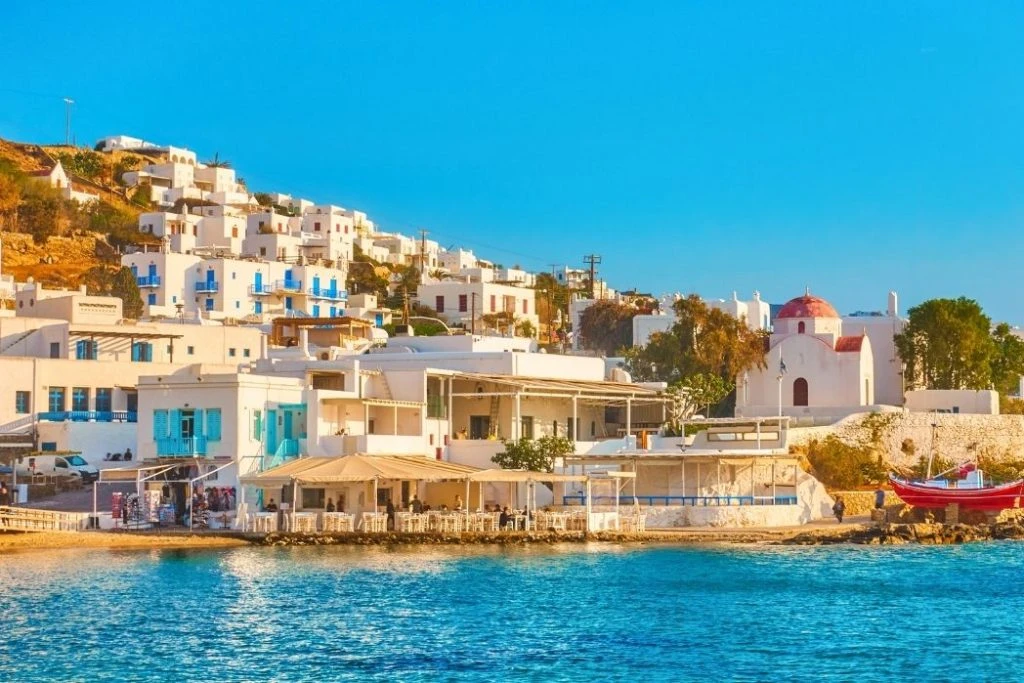
Greece is not only a country located in the southeast of Europe; it is also the cradle of civilization, the stage of mythology, and the most refined representation of Mediterranean life. This neighboring country, which has strong cultural, geographical and historical ties with Turkey, attracts millions of travelers every year with its ancient ruins, whitewashed houses, clear sea, warm people and exquisite cuisine. Before stepping into this colorful world across the Aegean, knowing basic information such as transportation to Greece, cultural similarities and travel planning will make your experience much more meaningful and productive.
Introduction to Greece: The Colorful World Across the Aegean
Greece is a European country on the western coast of the Aegean Sea, known for its Mediterranean history, sea and culinary culture. Thanks to its neighboring location, it is one of the most preferred international destinations for Turkish travelers. Having been the cradle of civilizations since ancient times, these lands offer a multidimensional travel experience with their historical remains, turquoise beaches spread across dozens of islands, traditional taverns and rich cultural heritage.
How to Get to Greece? Visa and Transportation Information
Since Greece is part of the Schengen area, it requires a Schengen visa from Turkish citizens. Applications for the visa can be made at the Greek Consulate or authorized visa centers. The documents are usually the standard Schengen documents, and travel insurance, hotel reservations and round-trip flight tickets must be presented.
In terms of transportation, getting to Greece is extremely convenient. There are direct flights from many cities, especially Istanbul, Izmir and Ankara, to the main centers such as Athens, Thessaloniki and Crete. For those who prefer land travel, it is possible to enter via the İpsala or Küpükule border gates by private car or bus. Ferry transportation is also frequently used during the summer season on routes such as Çeşme-Chios, Bodrum-Kos and Marmaris-Rhodes.
Greek Culture, Hospitality and Similarities to the Aegean
Greek culture shares countless common features with Anatolian culture. First of all, sincere welcomes, the importance given to family ties and long hours spent at the table closely unite these two neighboring countries. The understanding of hospitality known as "Philoxenia" is an expression of the warm and helpful attitude of the Greek people towards foreigners.
Food culture is another important part of this similarity. Olive oil dishes, seafood, yogurt-based mezes and long conversations accompanied by wine are common tables bearing traces of Turkish cuisine. At the same time, some words in Greek and Turkish show similarity in sound structure and origin, which facilitates mutual understanding.
The Most Suitable Times to Travel and General Route Planning
The most suitable time to travel to Greece is the period from April to the end of October. While sea tourism gains intensity in the summer months (June-August), ideal weather conditions for historical and cultural route tours occur in spring and autumn. For city tourism, centers such as Athens, Thessaloniki and Kavala stand out; for island holidays, destinations such as Santorini, Mykonos, Rhodes, Kos, Paros and Crete come to the fore.
For a general route plan, the following flow can be suggested:
- Athens (Acropolis, Plaka, Monastiraki)
- Santorini / Mykonos (Beaches, viewpoints, tavernas)
- Crete (Knossos, Elafonissi Beach, traditional villages)
- Thessaloniki (Historic center, White Tower, cultural routes)
- Kavala and Thassos Island (Harmony of history, sea and nature)
From Ancient Greece to Today: A Journey Through History and Mythology
Ancient Greek civilization is one of the cornerstones of not only Europe but also world cultural and intellectual history. The origins of many concepts such as democracy, philosophy, art, architecture and sports were shaped in this geography. The ancient structures, statues and sacred sites that still stand on today's Greek territory continue to shed light on human history. Intertwined with Greek mythology, these structures are not only touristic but also extremely valuable culturally, archaeologically and academically.
This journey extends from the temples of goddesses on the heights of Athens, to the oracle center of Delphi, the sacred games of Olympia and mythological narratives that transcend the ages. For every traveler who wants to understand the bridge between the ancient period and today, these routes offer not just a trip but a deep learning experience.
Athens and the Acropolis: The City of Democracy and the Gods
Athens is accepted as the place where not only Greece but Western civilization was born. The city experienced its golden age in terms of art, philosophy and democracy, especially in the 5th century BC. The most important symbol of this period, the Acropolis Hill, with the Parthenon Temple rising upon it, is dedicated to the goddess Athena. The Acropolis is a monument that symbolizes the transformation of governance, belief and aesthetic understanding in human history, not only architecturally. This historical area, easily accessible from the center of modern Athens, is an open-air museum carrying the city's bond with the past into the present.
Delphi, Olympia and Mythological Routes
Delphi was regarded as the oracle center of the ancient world. The Temple of Delphi, dedicated to the god Apollo, is famous as the place where priestesses conveyed the messages of the gods. Olympia is where the ancient Olympic Games were born and has gone down in history as a place where athletics and peace were sanctified. These sacred sites show that mythology was not only a belief system but also a powerful cultural structure shaping social life. Today, these regions are indispensable routes for both archaeology and mythology enthusiasts.
Museums, Ancient Theaters and UNESCO Heritage Sites
Across Greece, there are numerous museums, theaters and archaeological sites bearing traces of ancient civilization. The National Archaeological Museum of Athens holds one of Greece's largest and most comprehensive collections. The Ancient Theater of Epidaurus still hosts contemporary performances thanks to its acoustics. Ancient cities such as Knossos, Mycenae, Delos and Vergina are on the UNESCO World Heritage List. These sites offer visitors not only history but also an in-depth perspective on the social life, artistic understanding and belief systems of the period.
Living Traditions Today and Life Intertwined with History
Ancient Greek culture continues to leave its marks not only in museums but also in daily life. Greeks keep the values of the past alive through festivals, ceremonies and traditional theater performances. For example, the Apokries Carnival is a modern version of the ancient celebrations dedicated to Dionysus. Moreover, the importance local people give to architecture, aesthetics and social relations shows that thousands of years of cultural accumulation are still alive. Living intertwined with history is not nostalgia for the Greek people; it is a way of life.
Greece's Most Beautiful Beaches and Islands
With nearly 6,000 islands and coastlines of crystal clarity, Greece is one of the most impressive holiday destinations in the Mediterranean. Greek islands, each standing out with its own culture, natural structure and atmosphere, offer not only a sea-sand-sun holiday but also an experience intertwined with history, architecture and local life. This diversity, extending from turquoise coves to dazzling white beaches, from historical ruins to colorful streets, has made Greece a globally attractive travel center.
Santorini: Volcanic Landscapes and White Houses
Located in the middle of the Aegean Sea, Santorini is known for its dramatic volcanic structure, white-washed houses clinging to cliffs and sky-blue domed churches. The island's volcanic past gives it a unique character both geographically and architecturally. The sunset views watched from the villages of Oia and Fira are considered legendary worldwide. Santorini also stands out with the Akrotiri Ancient Town of archaeological importance and its local wine production.
Mykonos: Windmills and Colorful Nightlife
One of the most popular stops of the Cycladic Islands, Mykonos promises both aesthetic and entertaining holidays with its traditional architecture, blue-white streets and iconic windmills. Its nightlife in particular stands out with international DJ performances and beach parties. Culturally, its proximity to Delos Island also opens a door to ancient Greek history.
Rhodes and Crete: Balance Between History and Sea
Rhodes, the capital of the Dodecanese islands, sheds light on the past with its medieval city on the UNESCO World Heritage List, while also offering a modern sea holiday with its golden beaches and calm coves. Crete, as the largest island of Greece, is a rich choice in terms of history, nature and gastronomy. The heart of the Minoan civilization, the Palace of Knossos, impressive mountain villages and a unique coastline offer a versatile exploration opportunity.
Halkidiki, Zakynthos and Other Hidden Beach Paradises
Located in northern Greece, Halkidiki, with its peninsulas stretching in a three-finger shape and crystal waters, is an ideal route for family holidays and nature lovers. Zakynthos has gained worldwide fame with Navagio (Shipwreck) Beach. Islands such as Kefalonia, Skiathos, Naxos and Paros are hidden treasures for those seeking a less crowded, more local and peaceful holiday.
Taverna Culture: Music, Dance and Greek Cuisine
In Greece, the taverna is not just a place to eat; it is the center of a way of life, cultural identity and social communication. Opening in the evening and continuing throughout the night, these venues are social environments where locals and visitors gather to spend time with food, music and dance. Taverna culture is one of the most authentic areas for understanding Greek social life.
What Is a Taverna? The Social Heart of Greek Life
A taverna is a traditional type of restaurant in Greece, but its function is not limited to eating and drinking. These spaces, where families, groups of friends and locals gather, and where conversation, laughter and sometimes emotional songs are shared, convey Greek hospitality in its purest form. With open-air tables, a simple but sincere atmosphere and local decoration, the taverna keeps the pulse of Greek life.
Sirtaki, Bouzouki and the Live Music Experience
Greek taverna nights are unthinkable without music. Nights beginning with the accompaniment of the bouzouki, the backbone of traditional Greek music, become exuberant with traditional folk dances such as sirtaki. Guests usually join in the music, people dance between the tables, and rhythm is caught by forming chains hand in hand. These scenes are not only entertainment but also a strong indicator of cultural belonging.
Meze Culture, Ouzo and Evenings with Seafood
An indispensable part of Greek cuisine is meze culture. These delicacies served in dozens of small plates on taverna tables are the foundation of sharing and conversation. In a wide range from olive oil dishes to octopus, from cheese to mussels in tomato sauce, seafood takes the lead. All these flavors are accompanied by ouzo (a traditional anise-flavored spirit), and with every sip the conversation deepens and the atmosphere becomes warmer.
10 Flavors of Greek Cuisine Worth Tasting
The taverna experience is ideal for getting to know the diversity of Greek cuisine. Here are 10 traditional flavors that stand out:
- Moussaka: A traditional dish baked with eggplant, minced meat and béchamel sauce.
- Souvlaki: Grilled meat on skewers (usually pork or chicken) served with pita.
- Tzatziki: A refreshing meze prepared with yogurt, cucumber and garlic.
- Dolmades: Rice dolma wrapped in grape leaves.
- Fava: A purée made from yellow lentils; specific to Santorini.
- Grilled Octopus: Grilled octopus served with olive oil and lemon.
- Spanakopita: A type of pastry made with spinach and feta cheese.
- Gigantes Plaki: Large dried beans baked in the oven.
- Baklava: A dessert made with layers of phyllo, walnuts and syrup.
- Loukoumades: Fried dough balls with honey syrup.
Cities and Towns to Discover in Greece
Greece is not only a country of islands; its mainland regions, historic cities and towns nestled at the foot of mountains offer a route full of discovery. These lands, where ancient heritage and contemporary life intertwine, are quite rich in cultural diversity, architectural richness and natural beauty. Visiting cities and towns is important not only for tracing the traces of the past but also for understanding modern Greek society and its lifestyle.
Athens – Balance Between Modern and Classical
The capital Athens presents the magnificent traces of Ancient Greece together with the vitality of a modern metropolis. The Acropolis and the Parthenon are the emblematic historical heritage of the city; however, Athens is not just an open-air museum. In neighborhoods such as Plaka and Monastiraki you can see traditional architecture, and in Syntagma Square the pulse of political and social life. With its museums, contemporary art galleries, café culture and young population, Athens is an elegant bridge between history and today.
Thessaloniki – Ottoman Traces and the City of Youth
Greece's second largest city, Thessaloniki, stands out with its structures from the Byzantine and Ottoman periods, its multicultural past and its lively social life. The house where Atatürk was born is one of the best-known symbols of Ottoman heritage. With a dense young population, this city stands out with both its historical richness and its energetic nightlife. Thessaloniki is also one of the gastronomy capitals, famous for its delicious street food and boutique restaurants.
Nafplio, Meteora and Kalambaka – Little-Known Beauties
Nafplio is known as the romantic town of the Peloponnese; with its castles from the Venetian period and narrow stone streets, it is like an open-air painting.
Meteora is a unique destination under UNESCO protection with its Orthodox monasteries built on rocks.
Kalambaka is a small but authentic town at the foot of Meteora, and access to the monasteries from here is easy. These three points are ideal for travelers seeking tranquility, integration with nature and a mystical atmosphere.
Non-Island Spots as Peaceful as the Sea
In Greece, not only the islands but also small coastal towns on the mainland are perfect for a peaceful sea holiday. Regions such as Parga, the Pelion Peninsula and Kavala offer very rich alternatives in terms of natural beauty and history, away from tourist crowds. In these places you will encounter turquoise coves, traditional houses, lesser-known beaches and authentic tavernas. For those seeking an experience that is close to the sea but more economical and calmer than the islands, these towns richly deserve to be explored.
Cultural Experiences and Local Life
One of the most enriching aspects of a trip to Greece is being able to directly touch the lifestyle of the local people, without being limited to historical structures and beaches. Greek culture is built on warm human relations, deep-rooted traditions and a natural hospitality observable in everyday life. Under this heading, we explore in detail how cultural heritage is kept alive and the place of handicrafts and the festival spirit in social memory.
Fairs, Local Festivals and Religious Ceremonies
Fairs (panigyri), religious feasts and village festivals held throughout the year in every region of Greece offer unique opportunities to observe local culture on the spot. In particular, the feast days of saints are celebrated in towns and villages both with religious ceremonies and with night-long festivities.
In July and August, at the traditional festivals held on the islands, guests integrate with the locals accompanied by live music, dance and local food. These events are not only religious in content; agricultural cycles such as the grape harvest, harvest and olive picking can also be occasions for festivals. Participation is free and you are usually welcomed with an open table for guests.
Handicrafts and Souvenir Shopping in Greece
Greece is one of the rare Mediterranean countries where handcraftsmanship continues as part of daily life. In particular, ceramic works, handwoven fabrics, leather sandals, copperwork and traditional jewelry designs reflect each region's own interpretation.
Craftsmen's shops in places such as Rhodes, the Plaka district of Athens, the city of Chania in Crete and Santorini are ideal for both shopping and observation. Natural and authentic products such as olive oil, natural soaps, honey and lavender sachets can also be found in local markets. These products are not merely souvenirs; they also mean a contribution to the local economy.
Contact with Locals: From Café Conversation to Friendship
Contact established with the local people often begins with unplanned warmth. An uncle who buys you a coffee at a café in which you sit in a small town square, a cook who shares a recipe while you order food in a seaside town, or an aunt walking past her garden with grapes in hand are the most natural examples of Greek hospitality.
Local coffeehouses called kafeneio are centers where people socialize, discuss politics, play games and debate current issues. If you are a tourist and know a few words of Greek, you can easily join the conversation in these warm environments.
Greek people approach Turkish visitors with a historical interest and closeness. Communicating not only makes your holiday more beautiful but also gives you a chance to know a culture from within.
Practical Information for Traveling to Greece
Some basic information is of great importance to turn your trip to Greece into a more comfortable, planned and culturally rich experience. From transportation methods to accommodation options, from how you can control your budget to cultural sensitivities, this section offers a comprehensive guide for those going to Greece for the first time or wanting to rediscover it.
Accommodation Options: Island Hotel or City Boutique?
Accommodation options in Greece are quite diverse depending on your travel style and the region you want to visit.
On the islands, especially in touristic spots such as Santorini, Mykonos, Paros and Naxos, boutique hotels with stone architecture, guesthouses with sea views or luxury resorts stand out. With early booking, it is possible to find affordable and peaceful facilities right by the sea.
In cities such as Athens and Thessaloniki, boutique hotels and apartment accommodations in central locations catering to culture travelers are common. Locations that facilitate city transportation are advantageous both for museum visits and nightlife.
Accommodation prices across Greece increase in the summer months; therefore, spring and autumn are a more suitable period in terms of both price and crowds.
Car Rental, Ferries and Transportation Tips
The transportation network between Greece's coastal cities and islands is well developed. Inter-island ferry services are one of the best ways to experience Greece's authentic structure.
Regular trips are made from Athens' Piraeus Port to the Cyclades, Dodecanese and Aegean islands. Companies such as Blue Star Ferries and Seajets offer both slow and fast ferry options.
Car rental greatly facilitates reaching the bays and villages to be visited on the islands, particularly. However, in some places with narrow streets, a small car should be preferred.
Within cities, public transport such as buses (KTEL), trams and metro is widespread. In Athens and Thessaloniki, daily or weekly public transport cards are an economical solution.
Tips for Budget-Friendly Travel
Having a quality travel experience in Greece can be quite economical with proper planning.
- Choosing the off-season (April–June / September–October) periods can save 30-50% on both accommodation and transportation.
- In fish taverns called mezedopolia and psarotaverna, frequented by locals, you can eat filling meals at affordable prices.
- Shopping in markets and small shops is cheaper than stores in touristic areas.
- On the islands, room rental (rooms to let) systems are more widespread than hotels and are more budget-friendly.
- Consider combi tickets that offer group entry to museums and historical sites, as well as student discounts.
Cultural Recommendations for Turkish Travelers in Greece
Greece and Turkey, beyond their geographical proximity, share many cultural common points. This makes your trip more sincere and warm.
- Learning a few Greek words such as "Kalimera" / "Yasas" (hello) and "Efharisto" (thank you) facilitates communication with locals and leaves a positive impression.
- Greeks especially enjoy spending a long time at the dinner table. When invited to a table, it is important not to rush and to savor the conversation and hospitality.
- Attention should be paid to clothing choices in religious sites; dress should cover shoulders and knees.
- Political or historical topics can be sensitive; therefore it is recommended not to get directly into these subjects in everyday conversations.
- When you say you are Turkish, you will often encounter a positive and curious approach; the many aspects of the two countries that resemble each other, from music to cuisine, are a nice opportunity to start a conversation.
Conclusion: Slowing the Rhythm of Life in Greece
Greece is a geography that lies across the Aegean and feels familiar in many ways, yet charms with its own distinctive texture. With its stories carried from mythology to today, its simple but delicious cuisine, its lifestyle intertwined with the sea and its hospitable people, it offers visitors not just a holiday but a "life experience."
This journey is built not only on seeing places but on slowing down, thinking and feeling. When you watch the sunset on a beach one late afternoon or join the crowd to the accompaniment of Sirtaki in a taverna, you feel that you have truly changed the flow of time. Greece is a country that multiplies as you explore it and deepens as you simplify.
A Familiar Yet Different Spirit Across the Aegean
The more geographically close Greece is to Turkey, the more culturally "familiar" it is. Yet within this familiarity there is always a difference open to discovery.
A coffee drunk in a village square that stretches on with conversation, the tranquility offered by the slow-paced life, the sense of community felt at a traditional wedding or a fair... All these details reveal the different yet familiar spirit of Greece.
Visitors, while feeling the traces of the past here, return to the future with a simpler and more peaceful outlook. This is not just a journey; it is a process of mental renewal.
An Unforgettable Route Where History, Sea and Music Blend
Greece is a destination where three powerful elements meet: history, sea and music.
Walking among the stones of ancient cities, you touch the traces of civilizations thousands of years old; purified in the cool waters of the Aegean, and in the evenings you accompany the melody of life in a taverna.
From the sunset on the cliff edge of Santorini to the Acropolis of Athens, from the lively streets of Mykonos to the mystical landscapes of Meteora, every moment of yours is engraved in your memory like a postcard frame.
In Greece, with every step you take there is a rhythm, a flavor and a story. For this reason, this route is not merely a tourism map but a spiritually nourishing and lasting collection of memories.