

From Fjords to Historic Towns: The Blue-Green Magic of Montenegro
With its historic stone towns, untouched nature, sparkling Adriatic coasts and lush mountain ranges, Montenegro is one of Europe's most distinctive and still undiscovered routes. This enchanting land, from Roman-era remains and Ottoman traces to Venetian architecture and today's beach culture, offers a unique travel experience for both history lovers and nature enthusiasts. Exploring Montenegro with Drabos Travel is not just a journey; it becomes a passage between civilizations and a moment of awareness immersed in nature.
Introduction to Montenegro: The Quiet Paradise of the Balkans
Located in the southwestern Balkans along the Adriatic coast, Montenegro is a country that dazzles with its nature, fascinates with its historical fabric, and still preserves its authenticity away from crowded tourist routes. For centuries hosting great civilizations such as the Romans, Byzantines, Venetians and Ottomans, this small country offers visitors an almost magical experience with its stone-paved towns, fjord-like bays, sapphire coastlines and verdant mountains. For travelers who appreciate silence, simplicity and naturalness, Montenegro is truly the embodiment of the "undiscovered paradise". With its visa-free travel convenience, rapidly changing landscapes over short distances and graceful cultural transitions, Montenegro continues to be the jewel of the Balkans.
Where is Montenegro? Why Should It Be Preferred?
Montenegro is a small yet impressive country located on the Adriatic coast of the Balkans. Bordering Croatia, Serbia, Kosovo and Albania, this country stands out especially with the Bay of Kotor, the Budva coastline and its mountain towns.
Why should it be preferred? Because Montenegro;
- Offers visa-free travel convenience,
- Can provide a sea and nature holiday at the same time,
- Is truly an ideal destination for those seeking an authentic and original experience away from crowds.
A Country Where Blue Meets Green
Montenegro takes its name from its black mountains, but its real face is a visual feast where emerald forests and turquoise waters meet.
- The Bay of Kotor is described as Europe's only true fjord.
- National parks such as Durmitor and Biogradska Gora are stops in the heart of nature for hikers, rafters and campers.
- It is possible to move from a mountain hike to beach pleasure within the same day. This multifaceted geography makes Montenegro unique.
When to Visit Montenegro? The Best Seasons
Montenegro offers different experiences in all four seasons, but the most ideal periods are:
- Spring (May-June): The awakening of nature and mild weather make it ideal for both coastal and mountain exploration.
- Summer (July-August): Coastal cities such as Budva and Kotor come alive with festivals and seaside pleasure.
- Autumn (September-October): A period when crowds decline and the sea is still warm; it is perfect for romantic trips.
- In winter, especially the Durmitor and Kolasin regions are becoming increasingly popular for winter sports.
Bay of Kotor: Europe's Southernmost Fjord
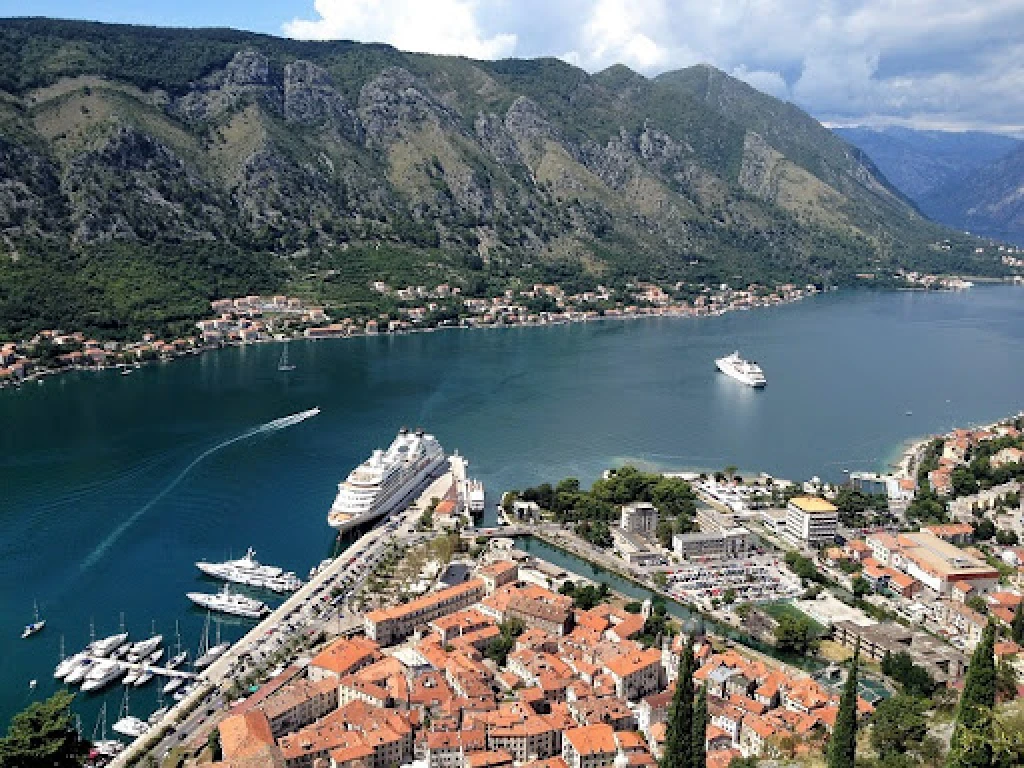
One of Montenegro's most impressive geographical formations, the Bay of Kotor is a region that captivates visitors not only with its natural beauty but also with its historical heritage. Although it is an extension of the Adriatic Sea, its fjord-like structure, narrow passages and mountain-enclosed shape give it features similar to Scandinavian fjords. Protected by UNESCO, this region reveals the unique harmony of history, sea and architecture.
Old Town of Kotor (Stari Grad) and UNESCO Heritage
The Old Town of Kotor, surrounded by medieval walls, with its narrow streets, stone buildings, churches and squares, is essentially an open-air museum where time seems to have frozen. The town, inscribed on the UNESCO World Heritage List in 1979, is a place where Venetian influences are strongly felt in its architecture.
Under the influence of great powers such as the Romans, Byzantines and Venetians throughout its history, Kotor is one of the rare cities where Gothic, Baroque and Renaissance traces can be seen on the same street. The clock tower in the town square, St. Tryphon Cathedral and the Maritime Museum are the main examples of this cultural richness.
Kotor Fortress and Magnificent Views
Rising just above Kotor, St. John's Fortress is the best point from which to see the entire bay from a bird's-eye view. However, reaching this view is not easy: to climb to the fortress, one must follow a historic path of 1350 steps.
When you reach the summit, both the winding bay of Kotor and the sea passage opening to the Adriatic unfold panoramically before your eyes. This hike offers as much mental tranquility as physical effort along a historic fortification route.
Streets in Kotor Where Sea and History Intertwine
Kotor's streets carry the breeze of the sea on one side and the shadows of historic stone structures on the other. The walking paths between the harbor and the Old Town are full of local cafes, souvenir shops and stone-floored courtyards.
Every corner offers a memory from the past; sometimes a church, sometimes a stone mansion... Wandering these streets is not just a city tour; it is a journey through time.
Perast Town and the Artificial Island: Our Lady of the Rocks
Another place that must be seen in the Bay of Kotor is the town of Perast and the artificial island across from it called Our Lady of the Rocks (Gospa od Škrpjela).
Perast is a small town noted for its Baroque architecture, enchanting with its tranquility and elegance.
The islet hosts a church built on an entirely man-made island created from rocks in response to the prayers of sailors. Inside the church is a museum adorned with votive offerings, paintings and legends related to seafaring.
This island can easily be reached by small boats departing from Perast.
Budva: Where History, Beaches and Entertainment Meet
One of Montenegro's most famous holiday destinations on the Adriatic coast, Budva offers a multifaceted experience with its unique historical heritage, enchanting beaches and lively nightlife. As one of the region's oldest settlements with a 2500-year history, the city brings together the atmosphere of an ancient harbor, the elegance of Venetian architecture and the dynamism of modern tourism. Budva is a center where every visitor to Montenegro can experience both spiritual peace and social vibrancy.
Budva Old Town and Venetian Traces
Stari Grad (Old Town) is a true corridor of history with its walled narrow streets, stone houses, courtyards and churches. This area, where the Venetians ruled for centuries, is adorned with Gothic and Baroque architectural details.
St. John's Church, the Monastery of Santa Maria in Punta and the city walls are among the main structures reflecting Budva's past. The Old Town is also the heart of contemporary cultural life, with boutique hotels, local art galleries and distinctive cafes.
Sveti Stefan: The Postcard Peninsula
Sveti Stefan, located on the Budva coastline, is a peninsula settlement connected to the sea, famous for its red-tiled stone buildings and narrow passages. Once a fishing village, this area has today become a symbol of luxury tourism.
Connected to the mainland by a causeway, Sveti Stefan has an appearance resembling postcards in both architecture and natural beauty. Although visitors can access only certain areas of the island, it is possible to experience this unique spot through the surrounding beaches, viewpoints and restaurants.
Budva Beaches and Nights
Budva's shores are full of golden sands and clear sea. Mogren Beach lies right behind the historic walls, while Jaz and Becici Beaches stand out with their wide areas and services.
With the setting of the sun, the city transforms into one of the Adriatic's most vibrant nightlife scenes. Bars, nightclubs and open-air concerts lining the coast attract both locals and international visitors. In summer, DJ performances, festivals and beach parties make Budva an indispensable stop for lovers of entertainment.
A Blend of Sea, History and Nightlife
What makes Budva special is that past and present meet in perfect balance. In the morning you can walk through the historic town streets, in the afternoon you can immerse yourself in the cool waters of the Adriatic, and in the evening you can enjoy local cuisine accompanied by a sunset view.
Budva is far more than the tourist face of Montenegro; it is a multilayered living space integrated with nature, history and social life.
Tivat: The Rising Star of Luxury and Maritime Culture
Rising in recent years on the Montenegrin coast, Tivat attracts attention with its modern harbor life, high-end accommodation options and an atmosphere reflecting the calm of the Mediterranean. Drawing international interest especially through the Porto Montenegro project, the city attracts both maritime enthusiasts and lovers of luxury. Offering a perfect blend of traditional coastal life and modern luxury, Tivat has become one of Montenegro's most sophisticated destinations.
Porto Montenegro and the Luxury Yacht Harbor
The most important factor making Tivat shine is, without doubt, Porto Montenegro. Built by redesigning a former military shipyard, this marina complex hosts super yachts from around the world.
Around the harbor, luxury residences, hotels, shopping streets, art galleries and gourmet restaurants make the city a privileged living space on the Mediterranean. With its yachting education and maritime technology centers, Porto Montenegro stands out not just as a harbor but as a full-fledged maritime lifestyle center.
Shopping, Cafes and Seaside Pleasure
Walking along Tivat's waterfront, you will be greeted by elegant boutiques and stylish cafes and restaurants rivaling Italian and French ones, reflecting Mediterranean grace.
Small shops offering handcrafted products from local artisans as well as boutiques of international brands make the shopping experience combine with holiday comfort.
The seafront promenade, lively throughout the day, has an atmosphere where peace and luxury blend, whether for a morning coffee or an evening dinner at sunset.
Tivat's Quiet Coves and Swimming Spots
Alongside the luxurious atmosphere the city offers, Tivat's surroundings also contain numerous hidden coves and natural swimming areas for those seeking an escape to nature.
Plavi Horizonti is an ideal swimming area for both families and nature lovers. Oblatno, Donja Lastva and Seljanovo Beach are other preferred swimming spots for their tranquility and clean sea.
These coves are true hidden paradises for visitors who want to escape the crowds and rest in the clear waters of the Mediterranean.
Herceg Novi: The Harbor for Those Seeking Calm
One of the most peaceful cities on Montenegro's Adriatic coast, Herceg Novi is almost a refuge for those seeking a serene holiday away from crowds, both in its historical and natural character. Founded in the 14th century, this seaside town stands out with its architecture bearing traces of the Ottomans, Venetians and Austro-Hungarians, its rich cultural past and its tranquil harbor.
Sea Fortress and Historic Structures
One of the city's most characteristic structures, Kanli Kula (Bloody Tower) was historically used for both defense and observation and today serves as an open-air theater.
Herceg Stjepan Fortress, Forte Mare (Sea Fortress) and the Clock Tower are among the important structures that give the city's skyline its historic silhouette.
The walking routes along the coast and the narrow stairway streets make you feel that Herceg Novi is hidden in a timeless atmosphere.
Botanical Gardens and Thermal Springs
The city is also known for its botanical richness. The Herceg Novi Botanical Garden hosts over 200 plant species brought from around the world.
Additionally, the Igalo Thermal Center, visited for both medical treatment and spa purposes, is another spot famous for its mineral-rich spring waters.
The region is a gathering place for those seeking healing and renewal immersed in nature.
One of the Most Peaceful Corners of the Adriatic
Unlike crowded and flashy holiday resorts, Herceg Novi stands out with its natural beauty, warm people and slow-flowing life.
The small cafes and restaurants along the shore offer a simple yet refined Montenegrin experience. Even in summer it is calmer than other coastal cities, and in this respect it becomes the first choice of travelers seeking inner peace.
Montenegro's Natural Beauty and Activities
Montenegro is a paradise for nature lovers not only with its historic towns but also with its wild nature, rich biodiversity and outdoor activities. The country offers a wide range of ecosystems from the Adriatic to the mountain peaks.
Durmitor National Park and Tara Canyon
Durmitor National Park, on the UNESCO World Heritage List, is one of the most important points of Montenegro's natural heritage.
The Tara River flows through this region forming the Tara Canyon, the second deepest canyon in Europe.
Visitors can experience many outdoor activities here such as rafting, zip-lining, trekking and mountain biking. Lakes such as Black Lake (Crno Jezero) also offer postcard-worthy views.
Lake Skadar: Birds, Boats and Slow Life
The largest lake in the Balkans, Skadar is one of Montenegro's undiscovered natural treasures, with its brackish water, bird-watching areas and authentic fishing villages.
The lakeside towns of Virpazar and Rijeka Crnojevića are ideal stops for taking a boat tour on the lake and experiencing slow life accompanied by local wines.
Recommendations for Hiking, Rafting and Nature Photography
- Recommended hiking routes: Durmitor summit trails, Lovćen National Park, Orjen Mountains
- Best time for rafting: Between May and July, when the Tara River is at full flow
- Tips for photographers: The water surface of Lake Skadar covered in water lilies, Durmitor peaks at sunrise, Sveti Stefan from above
Montenegrin Cuisine: Balkan, Mediterranean and Mountain Influences
Montenegrin cuisine offers a multilayered world of flavors blending the rich meat dishes of the Balkans, the fresh seafood of the Mediterranean and the simple yet nourishing traditions of mountain villages. Shaped throughout history under Ottoman, Venetian and Austro-Hungarian influence, this cuisine has also become distinctive through Italian touches and local production. Sitting at a table in Montenegro, you experience a unique taste combining the scent of the sea, mountain air and warm village tables.
Seafood, Meat Dishes and Local Mezes
Seafood is the crown of cuisine in the cities along the Adriatic coast. Grilled squid, sea bass and branzino stand out with olive oil and garlic preparations.
In the interior and mountainous regions, spit-roasted lamb, meat stews, bean dishes and stuffed peppers represent the hearty side of Balkan cuisine.
Among the local mezes, ajvar (red pepper spread), kajmak, olive paste and homemade breads play the leading role on every table.
Pršut (Montenegrin Ham) and Local Cheeses
One of Montenegro's most famous products, Njeguški pršut is a local ham variety dried over wood fire and aged for a long time.
Especially produced in the village of Njeguši, this delicacy is an indispensable snack served with wine or rakija on Montenegrin tables.
Additionally, sheep and goat cheeses from the regions of Pljevlja, Kolašin and Cetinje appear at breakfasts and on meze platters. These cheeses carry the authenticity of rural life to the table.
Rakija and Wine Culture
In Montenegro, rakija is not merely a drink but a symbol of conversation, hospitality and village life. Varieties are made from grapes, plums or pears.
The country is also a producer of small but quality wines. Red wines made from the Vranac grape and white wines from local grapes such as Krstač are indispensable companions to fish tables along the Adriatic coast.
5 Flavors to Try in Kotor and Budva
- Crni Rižot (Black Squid Ink Risotto) – Must be tasted at seaside restaurants in Budva.
- Grilovani Lignje (Grilled Squid) – A classic fresh seafood dish served with lemon sauce.
- Njeguški Pršut and Cheese Platter – Can be preferred as a starter in traditional wine bars in Kotor.
- Janjetina Ispod Sača (Lamb Under the Bell) – Traditionally cooked in mountain villages and found in Kotor's rural restaurants.
- Palačinke (Balkan-style Crepes) – Stand out for sweet lovers with walnut, jam or chocolate versions.
Practical Information for Traveling to Montenegro
With its historic towns, peaceful coves and cities integrated with nature, Montenegro is an ideal destination for both short getaways and longer explorations. Some basic information that will facilitate your trip will guide your planning as you discover this unique country.
Visa, Transportation and Currency Information
Citizens of the Republic of Turkey can travel to Montenegro visa-free for up to 90 days. You should make sure your passport is valid for at least 6 months.
Montenegro's official currency is the Euro (€), although it is not an European Union member. However, credit cards are accepted almost everywhere.
For air travel, Podgorica and Tivat airports are the most commonly used entry points. Transportation from either city to other regions is quite easy.
Car Rental or Public Transport?
For those who want to explore Montenegro freely and without time constraints, car rental is the most comfortable option. It is ideal for those who wish to discover different natural and urban spots such as Kotor, Budva, Durmitor and Lake Skadar according to their own route.
However, for those seeking a more economical way, the bus network is also quite widespread. Comfortable bus companies serve intercity travel. Taxi fares may vary regionally, so it is advisable to agree on the fare in advance.
Accommodation Options: Old Town Hotels or Seaside Apartments?
For those seeking an atmosphere intertwined with history, boutique hotels located within the "old town" (Stari Grad) in Kotor and Budva offer a unique experience.
For those wanting a calmer holiday, seaside apartment hotels and stone-house guesthouses provide an economical and nature-integrated accommodation alternative.
Since accommodation demand can be high especially in coastal cities during holiday periods, early booking is recommended.
Conclusion: A Journey Where Time Stands Still in Montenegro
Montenegro promises a special journey on the peaceful shores of the Mediterranean where time flows slowly and nature and history intertwine. With its striking fjords, cities surrounded by medieval walls, pristine beaches and local flavors, it offers an unforgettable discovery.
A Fairy Tale Adorned with Fjords, Fortresses and Pristine Coves
At every corner a different view, on every slope a different story... Montenegro sometimes takes you back into deep history as you gaze from a fortress tower, and sometimes holds you in the moment with the sound of waves in a coastal village. Walking through the morning mist of the Bay of Kotor, watching the sunset in Budva adorns the dream of anyone wishing to escape from reality.
What Remains in Your Mind as You Leave Montenegro
Hours spent in quiet coves, the scent of stone spreading from historic streets, conversations enriched by a bite of pršut or a sip of rakija... As you leave Montenegro, after a journey filled with simple yet intense emotions, there is one thing that will remain in your mind: "I must come back."