

Things You Need to Know About the Gallipoli Peninsula
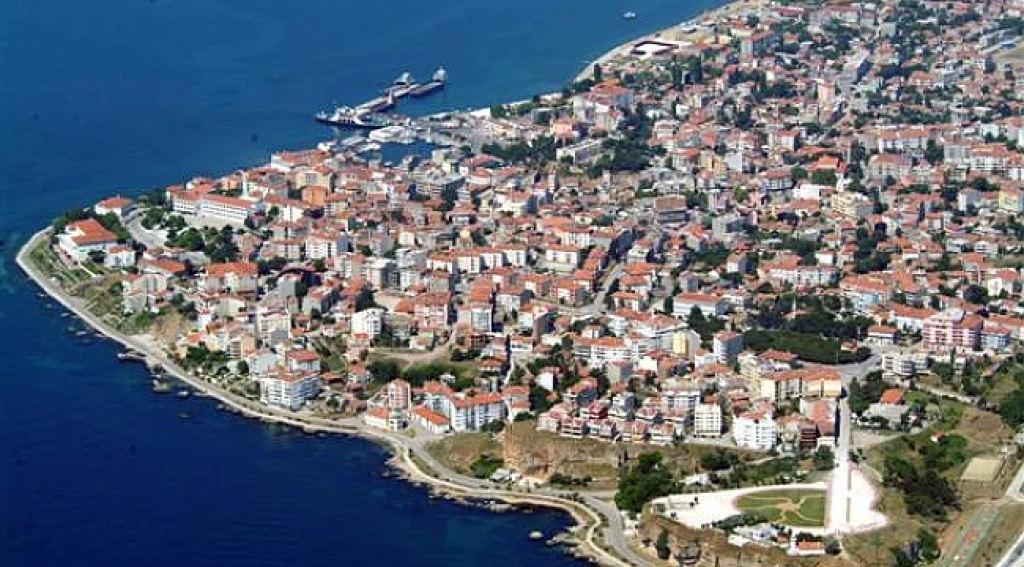
Gallipoli Peninsula is the site of the Çanakkale Battles, one of the most dramatic and heroic pages in Turkish history. This peninsula, which stands out for both its historical and natural beauty, is effectively an open-air museum due to the land battles fought there during World War I, with cemeteries, monuments and battlefields. Every year, thousands of domestic and foreign visitors trace the footsteps of their ancestors on this land, which is distinguished by its historical depth and spiritual significance.
Where Is the Gallipoli Peninsula and How to Get There?
Gallipoli Peninsula is a historically and strategically important region located in the northwest of Türkiye, on the European side of Çanakkale province. To its east lies the Dardanelles Strait, and to its west the Aegean Sea. The region is surrounded by Tekirdağ to the north, the Gulf of Edremit to the south, and the Marmara coast to the east. Especially known for the land battles fought during the Çanakkale Battles, which left a mark on history, the peninsula today attracts intense interest as a historical and cultural destination.
The Gallipoli Peninsula is easily accessible by both land and sea. The vast majority of visitors cross into the region via Eceabat and Kilitbahir.
Location and Geographical Features of Gallipoli
Gallipoli Peninsula lies in the northwest of Türkiye, on the European side of Çanakkale province. Located at the meeting point of the Sea of Marmara and the Aegean Sea, the region occupies a position of high strategic importance on the western shore of the Dardanelles Strait. Bordered by the Gulf of Saros to the north, the Dardanelles Strait to the east and the Aegean Sea to the south, the peninsula stands out for its natural riches. Wooded hills, wide meadows and cliff-lined coasts add to the region's visual and ecological diversity.
Transport Alternatives (Road, Ferry, Tour Buses)
- Road Travel: Visitors setting out from Istanbul can reach the region by road in approximately 3.5-4 hours, heading toward Gallipoli via Tekirdağ. Battlefield sites such as Eceabat and Kilitbahir have direct road connections.
- Ferry Travel: Regular ferry services run from Çanakkale city centre to Eceabat and Kilitbahir. This route is particularly busy in the summer months. The ferry crossing takes around 15-30 minutes and both foot passengers and vehicles can make the trip.
- Tour Buses: Private culture tours departing from major cities (Istanbul, Ankara, İzmir) offer a comprehensive guided exploration of the Gallipoli Peninsula. At Drabos Travel, we also offer our guests regular tours of the historical sites with professional guiding services.
Entrance Fees, Visiting Hours and General Information
The Gallipoli Peninsula Historical National Park is affiliated with the Ministry of Culture and Tourism and is generally open to visitors free of charge. Cemeteries, monuments and some museum areas can be visited during set hours throughout the year. Visiting hours are usually extended in the summer, while in the winter months they may be limited according to daylight.
- Entrance Fee: Entry to the national park as a whole is free; however, a nominal fee may be charged at some specialised museum areas (for example, the Çanakkale Battles Research Centre).
- Visiting Hours: Generally open for visits between 08.00 – 18.00. The site remains open on national and religious holidays, and crowds are experienced on commemoration days.
- General Advice: Visitors should wear comfortable walking shoes and, especially in the summer, carry sun protection and water. Respectful conduct is expected at monuments and cemeteries.
The History of the Gallipoli Peninsula
The Gallipoli Peninsula is not merely a geographical area; it is also a symbol of resistance, sacrifice and heroism that has left deep traces in the memory of the Turkish nation. Attracting the interest of many civilisations since antiquity, the region has held strategic importance throughout history due to its position on maritime trade routes. However, it truly gained its historical identity with the 1915 Çanakkale Battles, becoming one of the foundations of national consciousness and the struggle for independence.
Strategic Importance and Its Role Throughout History
Gallipoli is a gateway that controls the Dardanelles Strait. Because of this feature, it has served throughout history as a bridge between East and West, and has offered a geopolitical advantage on the sea route linking the Mediterranean with the Black Sea. In antiquity it was used by Greek colonies, the Roman Empire and Byzantium; in the Middle Ages it became an important crossing point during the Crusades. During the Ottoman period, Gallipoli served as the first naval base and became the centre of the fleet. This long historical background has always made the region militarily and logistically important.
World War I and Its Place in the Çanakkale Battles
The Gallipoli Peninsula reached its historical peak in 1915, during World War I. The Entente Powers, led by Britain and France, aimed to pass through the Dardanelles Strait to knock the Ottoman Empire out of the war and to deliver aid to Russia; however, this plan, which turned into a land campaign, met bloody resistance on the Gallipoli Peninsula.
The struggle waged in areas such as Anafartalar, Conkbayırı, Arıburnu and Seddülbahir was not merely a military victory but an epic in which the spirit of national independence was revived. The leadership shown by Mustafa Kemal Atatürk on this front also laid the groundwork for the National Struggle that followed. What happened at Gallipoli is a historic turning point not only for Türkiye but also for Australia and New Zealand (ANZAC).
After the War of Independence and Its Meaning Today
Following the victorious conclusion of the War of Independence, the Gallipoli Peninsula ceased to be a military front and became a place of memory for a nation. Declared the "Gallipoli Peninsula Historical National Park" in 1973, the region was equipped with cemeteries, monuments and museums, and transformed into a commemorative site that keeps the traces of the past alive.
Today Gallipoli is not only the subject of a history lesson but the centre of memories, emotions and conscious visits. Every year on 18 March Martyrs' Remembrance Day, on 24-25 April ANZAC Day and at other times of the year, thousands of people gather in these sacred lands to commemorate the past and draw lessons from it.
The Gallipoli Peninsula Historical Area and Monuments
The Gallipoli Peninsula Historical Area is filled with monuments and structures that symbolise not only the traces of war but also a nation's resistance, sacrifice and belief in independence. This region is one of the rare places where visitors can feel the horror of war and the value of peace at the same time. Cemeteries, monuments, trenches and museums make Gallipoli not just a historical route but an emotional and intellectual experience.
Cemeteries and Monuments
The monuments and cemeteries found on the Gallipoli Peninsula were built in memory of both Turkish soldiers and foreign troops. These structures were designed to ensure that what happened in the past is not forgotten and to leave a lasting awareness with visitors.
57th Regiment Cemetery
- The Regiment is one of the most critical units of the Çanakkale Battles. This regiment, immortalised by the words of Mustafa Kemal Atatürk, "I do not order you to attack, I order you to die!", suffered heavy losses on the Conkbayırı line. The cemetery was built in memory of these heroes and is regarded as a symbol of both military discipline and love of homeland. The area around the monument and the visiting route offer a highly impressive and emotional atmosphere.
Conkbayırı and the Atatürk Monument
Conkbayırı is one of the most strategic points of the Çanakkale Land Battles. On the morning of 10 August 1915, under the leadership of Mustafa Kemal, Turkish troops launched a counter-attack here and recaptured the area. The Atatürk Monument at Conkbayırı symbolises both his leadership and the importance of the victory achieved here. The site is where moves that changed the course of the war were made.
Çanakkale Martyrs' Memorial
The Çanakkale Martyrs' Memorial is the most magnificent and symbolic structure of the Gallipoli Peninsula. Standing 41.7 metres tall, the monument can be seen from great distances both by land and by sea. Immortalising the heroism of Turkish soldiers, this structure is located in the Seddülbahir area. Around the monument are symbolic gravestones and reliefs belonging to different units. Every year thousands of people pray here, pay their respects and bear witness to history.
Batteries, Trenches and Battlefields
The Gallipoli Peninsula offers visitors not only monuments but also the very areas where the war was fought. Trench lines, artillery batteries, observation points and forts are extremely valuable for understanding the tactical aspects of the war.
- Namazgâh Fort is one of the important defensive positions of the Ottoman navy.
- Yahya Çavuş Trenches, rebuilt to full scale, are among the sites that vividly describe what the war environment was like.
- The area around Alçıtepe Village and the Seddülbahir line also witnessed critical clashes.
These areas, especially when visited with a guide, allow one to gain a command of the historical details.
Museums and Information Centres
To make your visit more meaningful, museums and visitor centres provide comprehensive information. Through visual materials, archival documents, models and reenactments, the atmosphere of war is brought back to life.
- Çanakkale Epic Visitor Centre (Kabatepe): Presents the chronology and strategic details of the war through multimedia presentations.
- Alçıtepe Salim Mutlu Museum: Houses a highly impressive collection of objects gathered from the battlefields by villagers.
- Virtual reality applications and interactive exhibitions offer an educational and impressive experience, particularly for young visitors.
What You Need to Know Before Visiting
The Gallipoli Peninsula is not only a tourist destination but a sacred place where thousands of soldiers lost their lives and where history and remembrance are intertwined. For this reason, carefully and consciously planning your visit enriches your experience and shows respect for the site. Below you will find the key information to know before going to Gallipoli.
When to Go? Season and Day Recommendations
- Spring (April-May) and autumn (September-October) are the most suitable periods to visit the Gallipoli Peninsula. In these seasons the weather is cooler and nature presents itself at its best.
- In the summer months (especially July-August) the weather can be very hot, and staying long in open areas can be tiring. Visitor numbers also increase during this period.
- Weekdays, especially morning hours, are ideal for a quieter and more peaceful visit. Crowds at cemeteries may grow on weekends and public holidays.
- For those who wish to attend ceremonies held on special commemoration days (for example, 18 March Martyrs' Remembrance Day and 25 April ANZAC Day), these dates carry symbolic meaning, but crowding should be taken into account.
What to Bring (Water, Hat, Footwear, etc.)
Many areas of the Gallipoli Peninsula are in open terrain and along routes that require walking. For this reason, physical preparation and equipment are very important:
- Comfortable walking shoes or trainers are recommended. The paths are in places stony and sloping.
- In the summer months, a hat, sunglasses and sunscreen are important.
- It is advisable to carry a water bottle. As the area is large, water may not be readily available at frequent intervals.
- A light backpack may contain basic necessities such as a notebook, map, snacks, tissues and a spare battery.
- Obtaining brochures and information booklets at museums or visitor centres will help you better understand the site.
Photography and Rules of Respect
The Gallipoli Peninsula is regarded as a sacred memorial site both nationally and internationally. For this reason, careful conduct is of great importance:
- At cemeteries, monuments and graveyard areas, silence should be kept and a respectful stance maintained.
- Photography is generally permitted, but flash photography is not allowed inside some museums or in areas of religious character. Warning signs should be observed.
- Exaggerated, inappropriate or mocking poses should be avoided when taking selfies or group photographs.
- Not littering, not damaging monuments and not touching historic structures are among the basic visiting rules.
- Paying close attention to the historical events described during guided tours is also a sign of respect for the place.
Conclusion: A Journey That Deeply Conveys History
The Gallipoli Peninsula is not merely a visitor destination; it is an emotional and intellectual journey that prompts one to reconsider one's position in relation to history. With every step, seeing the traces of the struggles in which hundreds of soldiers stood shoulder to shoulder means building a bridge between past and present. Walking on this land, the weight of history is heard like a cry echoing even in the silence. Gallipoli is far more than a geography: it is the memory of a nation.
Awareness and Emotional Depth After Visiting Gallipoli
Almost everyone who visits Gallipoli returns with not only knowledge but also an emotionally charged awareness. Walking among the trenches, listening to the stories of young men who lost their lives there, standing in the shadow of the monuments: this is an experience that profoundly affects the individual. Seeing what happened there first-hand clearly reveals that war is not a statistic but a tragedy woven from real human stories.
After the visit, many people develop a much deeper understanding of the concepts of freedom, peace and homeland. A few hours spent at Gallipoli can turn into an inner journey that will not be forgotten for years.
Awareness of Protecting Historical Sites and Passing Them On to Future Generations
Protecting historical areas such as the Gallipoli Peninsula means not only preserving physical structures but carrying collective memory and national identity into the future. The cemeteries, monuments and museums in this region do not merely recount the past; they also serve as a vehicle for transmitting values to new generations.
The approach of visitors to these sites with sensitivity, awareness and respect is the greatest support for conservation efforts. Ceremonies held at these places, guided explanations, volunteer projects and educational activities ensure that the message of Gallipoli is kept alive.