

Germany from Cologne to Berlin: History, Beer and Modern Art
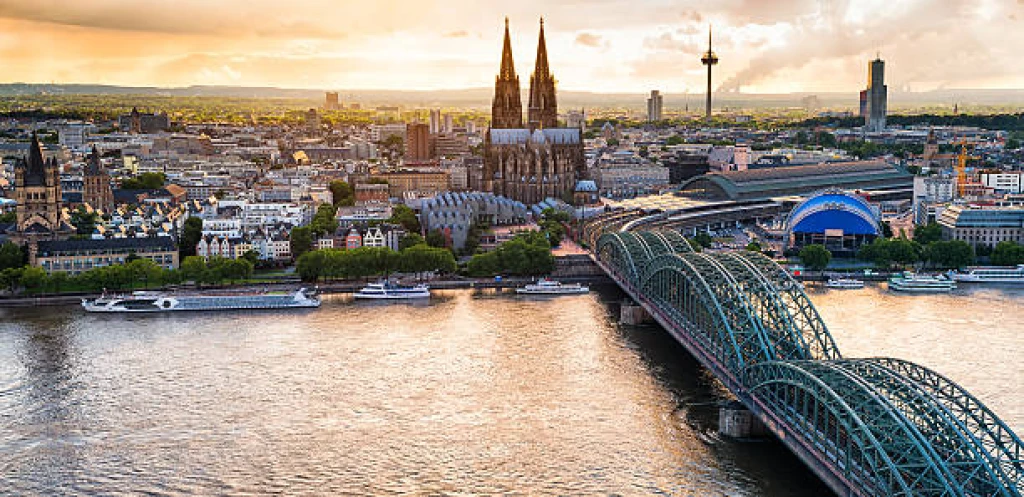
Germany, with its layers of history, deep-rooted culture and city life seamlessly integrated into the modern world, is one of the most impressive destinations in Europe. This country, which brings together the Gothic architecture of the Middle Ages and the artistic currents of the digital age on the same street, offers a unique route of discovery for travelers who want both to trace the traces of the past and to catch the rhythm of contemporary Europe.
On this journey, starting from the magnificent cathedrals of Cologne, you will pause in the art galleries of Düsseldorf; you will experience local flavors in the traditional beer gardens of Munich, and move on toward Berlin's multi-layered history and dynamic cultural scene. Each city has a different character, and each stop has its own rhythm.
This route from Cologne to Berlin is not only a physical journey but also a European story woven with history, taste and art. On this journey with Drabos Travel, you will not only see Germany, you will feel it deeply.
An Overview of Germany: The Country Where the Past and the Future Meet
Located in the heart of Europe, Germany is one of the most impressive countries on the continent, not only because of its geographical location but also thanks to its historical heritage, technological infrastructure, art scene and cultural diversity. It offers a broad spectrum, from the Middle Ages to modern art, from industrial transformation to architectural elegance, all in one place.
Germany's Cultural Richness and Travel Routes
The country appeals to every kind of traveler with its cities of different character.
- Cologne stands out with its Gothic architecture and its history on the banks of the Rhine;
- Munich keeps Bavarian traditions, Oktoberfest enthusiasm and magnificent palaces alive.
- Berlin blends the past with the future through contemporary art, a museum island and the traces of the Wall.
- Cities such as Hamburg and Dresden stand out with their port culture and baroque aesthetics, respectively.
German Beer Culture, Historic Monuments and Art Routes
Germany's world-famous beer culture is not merely a drinking habit but a way of social life.
- Traditional biergartens, craft breweries and historic beer halls are perfect stops for getting to know local life up close.
- Meanwhile, historic structures such as Neuschwanstein Castle, the Brandenburg Gate, the Cologne Cathedral and the Berlin Wall Memorial give tangible form to the country's cultural heritage.
- For art lovers, a dynamic art scene awaits, stretching from Berlin to Düsseldorf and from the documenta biennale in Kassel to contemporary galleries.
Best Times to Travel to Germany
Germany is a country rich enough to be visited in all four seasons.
- In spring, parks and riverbanks come alive;
- In summer, festivals, open-air concerts and cycling routes pick up;
- In autumn, the grape harvest and the turning forests offer a romantic atmosphere;
- In winter, Christmas markets and the snow-covered foothills of the Alps turn the country into a veritable fairy-tale land.
Cologne: The Cathedral City and the Capital of Beer
Cologne Cathedral and UNESCO Heritage
Cologne Cathedral (Kölner Dom), one of Germany's most magnificent structures, is an icon not only of the city but of all of Europe.
- Regarded as the peak of Gothic architecture, this massive building reflects the patience and mastery of history through its 632-year construction process.
- At 157 meters high, the cathedral is one of the tallest churches in Europe and is also listed on the UNESCO World Heritage List.
- Entry is free; interior tours, climbing the tower and the collection of sacred relics offer visitors a captivating experience.
Historic Walks along the Banks of the Rhine
With its historic fabric stretching along the Rhine River, Cologne is ideal for a peaceful urban walk.
- Hohenzollern Bridge is covered with thousands of love locks and offers a unique frame for photographers.
- The old town district along the river (Altstadt), with its colorful historic houses, stone streets and small squares, preserves the traditional Cologne atmosphere.
- Walking along the riverside at sunset or taking a boat tour can turn into the romantic moments of your trip.
Cologne's Beer Culture: Kölsch and Traditional Beer Halls
Cologne is one of Germany's most distinctive cities in terms of beer culture.
- Kölsch is a light, pale and refreshing beer brewed only in Cologne and legally allowed to bear that name only there.
- In traditional beer halls, Kölsch is served in special slim tall glasses (Stange), and a fresh one arrives at the table before you finish – until you say stop.
- Long-established breweries and halls such as Früh, Gaffel and Peters are perfect for tasting local flavors and mingling with Cologners.
Museum Ludwig: Pop Art and Contemporary Art
For art lovers, Cologne is a center that keeps not only history but also modern art alive.
- Museum Ludwig houses one of the largest Pop Art collections in Europe, with a broad selection from artists such as Andy Warhol, Roy Lichtenstein and Picasso.
- The museum also has rich collections in photography and media art.
- With other galleries and temporary exhibitions in the city, Cologne becomes a dynamic art route.
Cologne Carnival and the Colors of Local Life
One of the best times to feel the real rhythm of life in Cologne is undoubtedly the Cologne Carnival period.
- Held every year in February, this colorful event fills the streets with costumes, parades, music and dance.
- The carnival is not merely entertainment; it carries deep meaning for the people of Cologne in terms of a sense of unity and cultural memory.
- Celebrated under the slogan "Kölle Alaaf!", this period turns the city into a stage from end to end.
Düsseldorf: Fashion, Art and Rhine Modernism
Königsallee and Shopping in the City
The city most associated with fashion and luxury shopping in Germany, Düsseldorf stands out with its stylish streets and elegant atmosphere.
- Königsallee (Kö), located in the heart of the city, is a shopping boulevard lined with luxury brands from Chanel to Prada, Dior to Hermès.
- With its wide tree-lined avenue, the water canal running through its center and its refined cafés, it is a privileged spot not only for shopping but also for strolling.
- Independent boutique design shops in the city are also worth exploring for travelers interested in contemporary fashion.
Modern Architecture along the Banks of the Rhine
Düsseldorf's modern face takes shape along the banks of the Rhine.
- The MedienHafen (Media Harbor) district in particular stands out with its unconventional buildings bearing the signatures of famous architects such as Frank Gehry.
- A modernized version of the old port area, this zone is full of offices, galleries and restaurants designed with glass, steel and angular forms.
- Walking along the riverside offers a unique opportunity both to observe architecture and to feel modern urban life.
Kunstsammlung NRW and Modern Art Galleries
For art lovers, Düsseldorf is an important stop not only in Germany but across Europe.
- Kunstsammlung Nordrhein-Westfalen (NRW) houses leading collections of 20th-century modern art.
- Showing works by names such as Paul Klee, Picasso, Kandinsky and Kiefer, this museum offers an experience intertwined with both classical modern and contemporary art.
- At the same time, private galleries such as the Kunstpalast and the Julia Stoschek Collection draw attention with innovative exhibitions focused on video art, digital media and installations.
The Düsseldorf Altbier Experience and the Bar Street
Düsseldorf's beer culture is also at the center of the friendly rivalry with Cologne.
- The city is identified with Altbier, a local beer type known for its dark color and robust taste.
- For the best Altbier experience, you should direct your route to the Altstadt (Old Town). It is also known as "the longest bar in the world," because hundreds of bars and beer halls line up one after another.
- Sharing an Altbier at the same table with locals in long-established breweries such as Uerige, Füchschen and Schumacher is one of the moments that best conveys the spirit of Düsseldorf.
Frankfurt: History and Culture at the Heart of Finance
Although known as Germany's financial center, Frankfurt possesses a rich cultural and historical heritage hidden in the shadow of its skyscrapers. Modernity and tradition coexist in harmony in this city. While the silhouette of the European Central Bank rises on one side, medieval squares on the other pull you into history.
Old Town (Altstadt) and Römer Square
For those who want to feel Frankfurt's historic spirit, the first stop should be the Altstadt (Old Town).
- Römer Square, with its colorful buildings with triangular roofs, stone-paved streets and a town hall with a history of over 600 years, is the historic heart of the city.
- The square transforms into a magical atmosphere especially at Christmas time with the Frankfurt Christmas Market.
- Nearby, St. Bartholomew's Cathedral, with its Gothic architecture and tower offering a panoramic view of the city, stands out.
Main Tower and the Frankfurt Skyline
Frankfurt is the only German city famous for its skyscrapers, and the best place to view this skyline is the Main Tower.
- With its height of 200 meters, the tower, the city's most famous observation point, offers a panorama stretching from the roofs of old Frankfurt to the Rhine-Main plain, and gives the chance to capture breathtaking frames during sunset.
- The silhouette rising under the city's lights in the evening reflects Frankfurt's modern side with full elegance.
Städel Museum and Art from Classical to Modern
The Städel Museum is one of Germany's most important art museums.
- Its collection, spanning more than 700 years of art history, includes works by giants such as Rembrandt, Vermeer, Monet, Picasso and Beckmann.
- Ranging from classical German mastery to modern art, from the Renaissance to today's digital art, this collection offers a deep and rich art experience.
- The Museumsufer (Museum Riverbank) area surrounding the museum is one of Frankfurt's cultural arteries.
A Wine Route Escape from Frankfurt
Keep in mind that Frankfurt is an excellent starting point not only for business trips but also for gastronomic and natural exploration.
- The Rheingau and Mosel Valleys, reachable by a short train ride from the city, are famous for Germany's most prestigious Riesling wines.
- Walks among the vineyards, winery tastings and wine festivals can turn your Frankfurt trip into a calm and refined getaway.
- Towns such as Eltville, Rüdesheim and Bernkastel-Kues are especially ideal for those seeking both nature and flavor.
Leipzig: The Art City Where Creativity Rises
Bach's City: Music and History
Leipzig is identified with Johann Sebastian Bach, one of the great geniuses of classical music.
- Thomaskirche (St. Thomas Church) is the sacred site where Bach served as music director for many years and where his grave is located.
- The Bach Museum takes visitors on a captivating journey through time with its interactive sections on the composer's life and works.
- The city, also bearing the traces of names such as Felix Mendelssohn and Richard Wagner, holds a very special place in music history.
Leipzig's Art Districts and Galleries (Spinnerei)
The Leipziger Baumwollspinnerei, transformed from a historic cotton-spinning factory, is today one of Europe's most creative art complexes.
- With more than 100 art studios, contemporary galleries, sculpture workshops and exhibition halls, Spinnerei keeps the cultural pulse of the city.
- Here it is possible to see a broad selection, from works by artists of the Leipzig School to international contemporary pieces.
- Cafés and bookshops housed within the converted industrial buildings make the experience even more distinctive.
Street Art, Alternative Spaces and Cafés
Leipzig draws attention not only with classical art but also with street art and alternative lifestyles.
- The Plagwitz and Connewitz neighborhoods, with their graffiti-covered walls, independent cinemas and vegan cafés, represent the young and free spirit of the city.
- Open-air concerts, a bicycle-centered lifestyle culture and creative workshops make Leipzig one of Europe's rising art cities.
Berlin: The Capital Where History and Modernism Flow Together
Brandenburg Gate, the Berlin Wall and Memorials
Berlin is a capital that has hosted some of the most symbolic events of 20th-century history.
- The Brandenburg Gate rises in the heart of Berlin as a symbol of reunification, while the Berlin Wall remnants (East Side Gallery) are the most striking representation of freedom and the power of expression.
- The Holocaust Memorial, Checkpoint Charlie and the Topography of Terror do not merely narrate the city's history; they make you feel it.
Museum Island and the Golden Island of Art
Berlin's Museum Island (Museuminsel) is on the UNESCO World Heritage List and houses five major museums dedicated to art history.
- The Pergamon Museum stands out with its unique collections stretching from Ancient Greece to Mesopotamia.
- The Alte Nationalgalerie holds the strongest representatives of classical European painting.
- On this cultural island on the banks of the Spree River, art and history intermingle.
Berlin's Beer Bars and Craft Beer Culture
Going beyond traditional German beer, Berlin has become one of the centers of the craft beer revolution.
- Independent producers such as BRLO Brwhouse, Vagabund and Berliner Berg have transformed the city's beer culture with special recipes and creative presentations.
- Prenzlauer Berg and Neukölln are ideal neighborhoods for those who want to experience craft beers and atmospheric bars.
Kreuzberg and Friedrichshain: Centers of Art and Street Culture
Berlin's bohemian and multicultural face comes alive in the Kreuzberg and Friedrichshain districts.
- These areas are full of graffiti art, independent galleries, music studios, flea markets and creative spaces.
- Neighborhoods that make you say "the Berlin Wall has fallen, but creativity knows no boundaries," these are places where living with art is possible.
Berlin Nightlife and Festival Calendar
Berlin is Europe's nightlife capital.
- Globally famous clubs such as Berghain, Sisyphos and Kater Blau represent the peak of electronic music culture.
- At the same time, the Berlin International Film Festival (Berlinale), Gallery Weekend, Carnival of Cultures and Lollapalooza Berlin, held throughout the year, reflect the city's cultural dynamism.
Beer Culture in Germany: Tasting, Tradition and Festivals
Differences among Kölsch, Altbier, Weizen and Craft Beer
Germany is one of the countries where beer is not only produced but lived as a culture. Every region has its own beer style and serving ritual.
- Kölsch: This pale beer, permitted to be produced only in Cologne, is served in slim tall "Stange" glasses. It stands out for its light aroma and easy drinkability.
- Altbier: Düsseldorf's dark-colored, malt-forward beer. In traditional beer halls, a new one keeps arriving at the table.
- Weizenbier (Wheat Beer): Common especially in southern Germany, this style is recognized for its fruity and cloudy appearance. With high carbonation and citrus notes, it is refreshing.
- Craft Beer: In recent years, independent productions spreading rapidly in cities such as Berlin, Hamburg and Munich, along with IPAs, porters and seasonal special recipes, have brought new life to German beer culture.
Beer Events You Can Join Beyond Oktoberfest
The world's largest beer festival, Oktoberfest, is held in Munich and welcomes millions of visitors every year. However, many more local and authentic beer events are available in different German cities:
- Stuttgart Cannstatter Volksfest: A festival of similar scale to Oktoberfest, with a more intense local atmosphere.
- Berlin Craft Beer Festival: A modern event where independent producers gather and flavors from around the world are tasted.
- Bamberg Beer Route and Rauchbier Events: This small city in northern Bavaria is famous for its smoked beer and stands out with its local tasting days.
- Cologne Beer Week (Kölsch Fest): Held outdoors in the city center, this festival brings Cologne culture together with local beer.
Beer Pairings with Traditional German Cuisine
German beer also offers a balanced partnership with its robust local cuisine.
- Weißwurst & Weizenbier: The Bavarian-style white sausage is in perfect harmony with classic wheat beer.
- Schweinshaxe (Pork Knuckle) & Dunkel Lager: Intensely flavored meat dishes are paired with dark lagers with strong malt character.
- Flammkuchen & Kölsch: The light and crispy Alsatian flatbread turns into a light dinner with refreshing Kölsch.
- Schnitzel & Pilsner: Breaded fried meat, with aromatic and clean-drinking pilsners, offers a classic German experience.
Practical Information for Traveling to Germany
Transportation (Deutsche Bahn, City Cards and Train Routes)
Germany has one of Europe's most advanced railway networks, and Deutsche Bahn (DB) trains are both comfortable and punctual for intercity travel.
- ICE (InterCity Express) trains cover long distances such as Cologne–Frankfurt–Berlin at high speed and with comfort.
- For urban transport, you can use public transit without limits and get discounted museum admission with local cards such as the Berlin Welcome Card and the München CityTourCard.
- Regional Bahn (RB) and S-Bahn systems are ideal for day trips to rural areas and wine routes in particular.
Visa, Accommodation and Daily Spending Tips
- For citizens of the Republic of Türkiye, Germany is a country requiring a Schengen visa. Applications must include a travel plan, accommodation documents and insurance.
- Accommodation options are wide: boutique hotels, hostels or Airbnb-type alternatives in big cities; traditional Gasthaus inns or winery stays can be preferred in small towns.
- Average daily spending (including transport and museum visits in the city center):
- For budget travelers: 50–70 €
- For mid-range travelers: 80–120 €
- For a comfortable experience: 150 €+
The Most Aesthetic Spots for Photography Enthusiasts
Germany's cities offer aesthetic frames full of architectural details, nature and human stories:
- The rear silhouette of Cologne Cathedral, especially shots taken across the Rhine at sunset, is enchanting.
- The Berlin East Side Gallery, with its vibrant street art, is not just a historical document but also a powerful visual narrative.
- The view of Heidelberg's old town from the castle is the photographic star of the romantic German route.
- The Bavarian Alps offer postcard-like images on misty mornings or snow-covered sunsets.
Conclusion: A Rich Germany Experience from Cologne to Berlin
A Colorful Journey Accompanied by Art, History and Beer
Germany offers a rich experience not only through its history but also through its art, culture, architecture and beer culture.
- From Cologne's Gothic heritage to Berlin's contemporary art streets;
- From Leipzig's creative workshops to the intimate atmosphere of Bavarian villages, this route promises new discoveries at every step.
Unforgettable Memories to Take Home from Germany
At the end of this journey, you will gather not only hundreds of photographs but also melodies that stay alive in your mind, flavors that leave a mark on your palate and stories that settle into your heart.