

From Tulip Fields to Bicycle Paths: Exploring the Netherlands
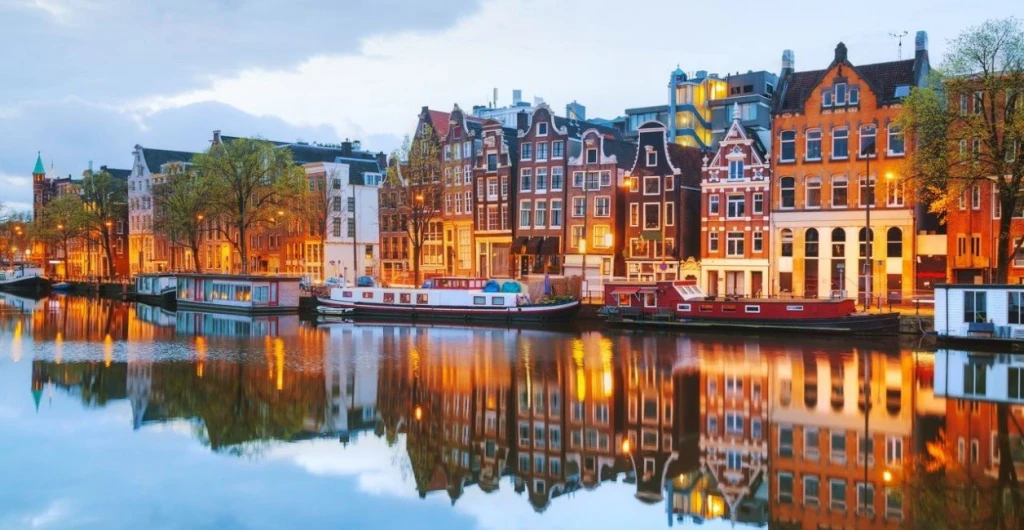
Northwestern Europe, a unique landscape shaped by wind and water: the Netherlands. This country, which transforms into a riot of color with millions of tulips blooming in the spring months, stands out not only for its flowers but also for its bike paths, windmills, canal-woven cities and sustainable approach to life. The Netherlands is practically an open-air gallery for travelers who want to experience a culture of living built in harmony with nature. In this article, we set out on an unforgettable journey of discovery, from the enchanting beauty of tulips to routes to explore by pedal.
Introduction to the Netherlands: An Exploration Intertwined with Nature
Located in northwestern Europe, the Netherlands takes its name from the deep harmony it has established with nature. With its flat terrain, kilometers of bike paths, colorful flower fields and a landscape shaped by water, the Netherlands is a symbol of both sustainable living and natural aesthetics. Every corner of the country promises visitors a calm yet rich exploration. Transformed into a feast of color during tulip season, these lands are an indispensable destination for those who want to experience culture, art, nature and gastronomy together.
The Geographical Structure and Cultural Richness of the Netherlands
A significant part of the Netherlands lies below sea level. The lands reclaimed over centuries through dikes, dams and canals today host some of the most advanced water management systems in the world.
- The country's geography has created a distinctive economic structure in fields such as agriculture, cheese production and flower cultivation.
- Canals, windmills, green rural towns and modern urban life coexist side by side.
- Cultural richness is supported by a multifaceted artistic understanding that spans from Rembrandt to Van Gogh, and from architecture to music.
- Dutch society is held up as a model to the world in sustainability thanks to its environmentally conscious and bicycle-oriented way of life.
Why Should You Explore the Netherlands?
The Netherlands promises more than just a trip:
- Touring the city by bicycle is not merely a means of transport but also a way to experience local culture.
- Tulip fields offer a visual therapy, especially in the spring months, and provide the opportunity to capture photographs integrated with nature.
- In cities such as Amsterdam, Rotterdam, Utrecht and The Hague, art galleries, museums, modern architecture and history come together.
- The Netherlands offers a multifaceted travel experience that combines culture, nature, gastronomy and architecture, appealing to every age group.
- Its safe and well-organized infrastructure provides a peaceful exploration environment, especially for independent travelers, cyclists and families.
The Best Times to Travel to the Netherlands
The most suitable periods to visit the Netherlands may vary depending on the purpose of your trip:
- March – May: Tulip season. The country, especially the Keukenhof Garden, is adorned with colorful fields.
- June – August: The summer months, when outdoor activities are at their peak. Parks, canals and city centers are lively.
- September – October: An ideal period for autumn tones and quieter routes. Even without tulip fields, rural bike paths are enjoyable.
- December – January: A different Dutch experience can be enjoyed with Christmas markets, ice skating rinks and the winter atmosphere.
Tulip Fields: A Paradise of Colors
Keukenhof Garden: The Most Beautiful Tulip Garden in the World
Located in the southwest of the Netherlands, Keukenhof Garden hosts millions of tulips every year and holds the title of being one of the largest flower gardens in the world. Spread over an area of 32 hectares, the garden showcases not only tulips but also different flower species such as hyacinths, daffodils and lilies. Opening in the spring months, Keukenhof offers a unique visual experience for everyone from botany enthusiasts to photographers. The garden is prepared each year with a different theme, giving visitors both an artistic and a natural feast.
Tulip Field Tours in the Netherlands and Regions Worth Visiting
Tulip fields are not limited to Keukenhof alone. The Lisse, Hillegom, Noordwijk, Haarlem and Flevoland regions offer unforgettable landscapes of boundless color blocks along the northwestern coasts of the Netherlands. These regions generally have bicycle routes, so it is possible to wander among the fields in an environmentally friendly way. The Bollenstreek Tulip Route can be explored both with tours and independently, and April is the most suitable time for this visit.
Tulip Festival and Visual Feast
The Dutch Tulip Festival, held every year in April, hosts hundreds of flower events across the country. From special shows at Keukenhof to flower parades along the streets of Amsterdam, visitors are offered a captivating atmosphere. In particular, the Bloemencorso (Flower Parade) event, with its parade of giant decorations made of tulips and other flowers, is one of the most striking organizations.
Photography Tips for Tulip Fields
Tulip fields offer a unique scene for photography enthusiasts. During the times known as the golden hour, at sunrise and sunset, the color saturation of the flowers is at its highest. Using wide-angle lenses to emphasize the extension of the fields, or macro lenses to highlight the details of a single tulip, produces impressive results. Drone shots in particular bring out the graphic effect of the neatly arranged color blocks. However, care should be taken to photograph only in areas where field owners permit it.
Bike Paths: The Best Cycling Routes in the Netherlands
Cycling Culture in the Netherlands
The Netherlands is known worldwide as a bicycle-friendly country. About 85% of the population actively uses bicycles, and urban infrastructure is planned accordingly. With a bicycle path network exceeding 35,000 km, cycling is very comfortable both within cities and in the countryside. High riding safety, flat terrain and the widespread availability of bike parking areas make the Netherlands ideal for exploring on two wheels.
The Most Popular Roads and Routes for a Cycling Tour
- Bollenstreek Tulip Route: This route, running between tulip fields, offers a visual feast in the spring months.
- LF Routes: The national bicycle network LF (Landelijke Fietsroutes) consists of long-distance routes connecting the country from north to south and east to west.
- Veluwe Forest Route: Ideal for nature lovers, this route includes forest paths and natural trails.
- Zaanse Schans Routes: Offers a cultural experience passing through windmills, cheese farms and traditional houses.
Amsterdam and Rotterdam Bicycle Routes
Amsterdam is held up as an example of urban cycling with its flat structure and closely spaced bike paths.
- Vondelpark, Museumplein and the area around the Canal Ring are the most ideal riding routes for tourists.
Rotterdam, with its modern architecture and harbor areas, offers a different cycling experience. The roads stretching along the Maas river are a pleasant riding route accompanied by the sunset.
Exploring Rural Areas by Bicycle
As you move away from city centers in the Netherlands, tranquility, nature and traditional life come to the fore.
- The area around Giethoorn offers a calm exploration with houses built among canals and nature trails.
- In the Friesland region, you can cycle around the lakes, and some routes are enriched with small ferry crossings.
- In regions such as Gelderland and Drenthe, local farms, windmills and natural reserves are within easy reach by bicycle.
Amsterdam: Canals, Museums and Bicycle Streets
Canal Cruises and Historic Canals
Thanks to its deep bond with water, Amsterdam is known as the "Venice of the North." The historic canals surrounding the city center are the product of planned urban development dating back to the 17th century and are listed as a UNESCO World Heritage Site.
- Among the most impressive activities in the city are canal cruises.
- These tours, especially at sunset, are the most enjoyable way to explore the historic fabric of the city accompanied by a romantic atmosphere.
Van Gogh Museum and Rijksmuseum
Amsterdam, one of Europe's leading cultural cities, is a capital for art lovers.
- The Van Gogh Museum offers a chronological look at the artist's life and works,
- while the Rijksmuseum houses a comprehensive art collection including works by masters such as Rembrandt, Vermeer and Hals.
Both museums are located at the Museumplein, and it is recommended to set aside half a day to visit them.
Vondelpark and Exploring the City by Bicycle
Bicycles, part of daily life in Amsterdam, are also an ideal means of transport for tourists.
- Vondelpark, the city's most popular green space, is a perfect stop for cycling, relaxing or taking a break at a café.
- Thanks to bicycle paths stretching thousands of kilometers across the city, safe and free exploration is possible.
- Especially the neighborhoods of Jordaan, De Pijp and Oud-West should be explored by bicycle by those who want to capture the architectural texture and local spirit.
Amsterdam's Charming Cafés and Street Art
Amsterdam's streets are the stage not only of history but also of contemporary art and alternative lifestyles.
- Areas such as the Albert Cuypmarkt, the Spui area and NDSM Wharf stand out for both street art and local café culture.
- Handmade coffees, vegan bakeries, second-hand bookshops and creative graffiti make Amsterdam a dynamic and multi-layered city.
Zaanse Schans: The Traditional Windmills of the Netherlands
How to Get to Zaanse Schans
Zaanse Schans, located about 30 minutes from Amsterdam, is a very suitable destination for day trips.
- After reaching the Zaandijk Zaanse Schans station by train, the area can be reached with a 10-minute walk.
- Visitors who wish can also experience this route by bicycle, thus enjoying the rural Dutch landscape.
Windmills, Wooden Shoes and Traditional Dutch Life
Zaanse Schans is a living open-air museum.
- The original wind-powered windmills still produce actively; some process peanut oil while others process raw materials for paint.
- Here you can also visit wooden shoe (klompen) workshops, cheese factories, old bakeries and craftsmen's shops.
Visitors can watch traditional production techniques live in these areas and take part in small workshops.
Souvenirs and Local Products from Zaanse Schans
Zaanse Schans also offers distinctive options for souvenir shopping:
- Handmade wooden shoes,
- Dutch cheeses made using traditional methods,
- Hand-painted Delft porcelain,
- Spices and soaps ground in windmills…
All these products are among the most elegant ways to bring Dutch culture home with you.
Rotterdam: Modern Architecture and Maritime Culture
Euromast and the City Skyline
Unlike traditional Dutch cities, Rotterdam stands out with its modern architecture. The city, which underwent a major transformation after World War II, is today one of Europe's centers of contemporary design.
- The Euromast Tower, reaching a height of 185 meters, is one of the most special places to watch the panoramic view of the city.
- The tower also features activities such as a restaurant and zipline, making your visit a deeper experience beyond the view alone.
Markthal and the Modern Market Hall
Markthal, one of the structures that best reflects Rotterdam's innovative spirit, is a covered market designed in the shape of a giant arch.
- Its interior ceiling is decorated with giant digital artworks, adding an artistic touch to the shopping experience.
- In this space filled with cheese, seafood, fresh vegetables, spices, sweets and international flavors, you can both shop and discover local tastes.
The Port of Rotterdam and the Maritime Museum
Home to Europe's largest port, Rotterdam is also very rich in maritime history.
- The Maritime Museum offers a comprehensive discovery area with historical ship models, interactive exhibitions and sections dedicated to children.
- If you wish, you can take a harbor tour and closely observe container ships, shipyards and modern port technologies.
Exploring Rotterdam by Bicycle
Rotterdam is very suitable for cycling thanks to its flat structure. The innovative bridges, art-filled streets, the harbor line and the parks in the city turn cycling into not just transport but an exploratory experience.
- You can cross the Erasmus Bridge to reach the Wilhelminapier area, where you can take a break at architecture offices, exhibition spaces and modern cafés and restaurants.
The Windmills of the Netherlands and Life on the Water
Kinderdijk: UNESCO World Heritage Windmills
One of the first images that come to mind when the Netherlands is mentioned is the windmill. Among these iconic structures, one of the best preserved is located at Kinderdijk.
- Listed as a UNESCO World Heritage Site, this area reveals the Netherlands' struggle with water through its 19 original 18th-century windmills.
- Thanks to walking paths, bicycle trails and boat tours, visitors can take a trip immersed in nature and connect with history.
How Windmills Work
Windmills are not merely nostalgic structures; they are engineering marvels that serve as an active part of the water drainage systems enabling the Netherlands to survive.
- The windmills operate to keep the water level in the surrounding area under control.
- Wind-powered wheels move water above or below a certain level, preventing floods.
This system is a vital part of the solution that allows the Netherlands to remain livable even though about 26% of its surface area lies below sea level.
Canals and the Culture of Water Products
Dutch architecture, agriculture and daily life are intertwined with canals.
- Waterways integrated into the transport network in cities such as Amsterdam, Utrecht and Giethoorn play both an economic and a cultural role across the country.
- In addition, water resources are highly productive for fishing and aquaculture. Products such as herring, mussels and eel are among the characteristic flavors of Dutch cuisine.
Dutch Cuisine and Local Flavors
Stroopwafels, Haring and Poffertjes
Dutch cuisine has distinctive flavors that combine simplicity with taste, ranging from street culture to home cooking.
- The stroopwafel is a traditional treat made with caramelized syrup spread between two thin waffles. Placed on top of a cup of coffee and gently warmed, it offers a unique aroma.
- Haring (a herring-like marinated fish) is served with lemon and onion and is usually eaten at street stalls. It is an important reflection of Dutch fishing culture.
- Poffertjes are small, fluffy pancakes served with butter and powdered sugar; they are a favorite street treat for both children and adults.
Dutch Cheeses and Local Markets
The Netherlands has one of Europe's oldest cheese-making traditions.
- World-famous cheeses such as Gouda, Edam and Leyden were born here.
- Weekly markets set up in city centers offer an authentic experience with fresh dairy products, handmade jams and bakery items.
- In particular, the Alkmaar Cheese Market, with its cheese-carrying ceremonies performed in traditional costumes, is a cultural event.
The Best Street Foods to Eat While Cycling
While exploring cities by bicycle, you can refresh your energy with Dutch street foods:
- Patat met is thick-cut fries served with special sauces. The peanut-sauce version, patat oorlog, is especially popular.
- Kibbeling are crispy battered fish pieces, usually served with garlic sauce.
- Broodje kroket is a practical sandwich with a hot croquette served in a crusty roll. It is an ideal snack for cycling breaks.
Practical Information for Traveling to the Netherlands
Transport in the Netherlands and Bicycle Rentals
The country's infrastructure is among the best in Europe in terms of bicycle and public transport integration.
- Intercity travel by NS (Nederlandse Spoorwegen) trains is very comfortable.
- Within cities, tram, bus and metro lines are widespread. However, the true Dutch experience is provided by cycling.
- Daily or weekly bicycle rental options are widely available in cities such as Amsterdam, Utrecht and Rotterdam. It is both an economical and an eco-friendly way of getting around.
Visas, Accommodation and Travel Insurance
- Turkish citizens need a Schengen visa to enter the Netherlands. Applications should be made at least 4 weeks before the travel date.
- In terms of accommodation, there is a wide range of options including boutique hotels, canal-side guesthouses, eco-friendly campsites and large hotel chains.
- Travel insurance is recommended, especially for health, cancellation and lost-baggage coverage. Policies with additional coverage may be preferred by cycling travelers.
5 Things to Do in the Netherlands
- Walk among the tulips at Keukenhof Garden
- Join a canal tour in Amsterdam
- Visit the windmills at Kinderdijk or Zaanse Schans
- Shop for local cheese and jam at a village market
- Spend at least one day cycling a rural route outside the city
Conclusion: A Captivating Exploration of the Netherlands
An Unforgettable Journey from Tulip Fields to Bicycle Paths
The Netherlands offers visitors not just a trip but a multi-layered experience where nature, human labor and cultural heritage come together. Walking among colorful tulip fields, getting to know the city on a boat tour along the canals, or cycling in the shadow of historic windmills… Each of these is just one of the unforgettable moments this country offers. In the Netherlands, time flows both peacefully and full of discovery, making your journey not only restful but also inspiring.
A Holiday Where Nature, Culture and History Come Together
A trip to the Netherlands represents a holiday philosophy where modern city life and rural simplicity are balanced, looking to the future with traces of the past. This unity, stretching from art museums to street cafés, from traditional markets to innovative architecture, creates a refined traveler experience centered on nature and sustainability.
At Drabos Travel, we are here to help you discover this unique country not just through a list of places to visit, but through the feelings it evokes, the memories it leaves and the perspectives it gives you. Whether it's tulip season or summer festivals, cultural tours or rural routes… a discovery awaits you in the Netherlands.